.svg)

Zürich is Switzerland’s largest city and the capital of its canton, home to a metropolitan population of 2.1 million and one of Europe’s most admired urban lifestyles. Whether you’re planning a first visit, considering a move, or eyeing property investment, this city rewards you with a rare combination of historic architecture, world-class museums, lakefront recreation, and a public transport network that genuinely works. This guide covers everything from the best things to do in Zürich to the 2026 fare updates you need to know before you travel.
What makes Zürich a unique destination for travelers and residents?
Zürich is defined by a density of experience that few cities can match. Nature, culture, art, shopping, and gastronomy sit within walking distance of each other, meaning you can swim in Lake Zurich in the morning, visit a Chagall-windowed church at noon, and dine at a Michelin-starred restaurant by evening. That kind of variety, without a long commute between each experience, is genuinely rare in a city of this size.
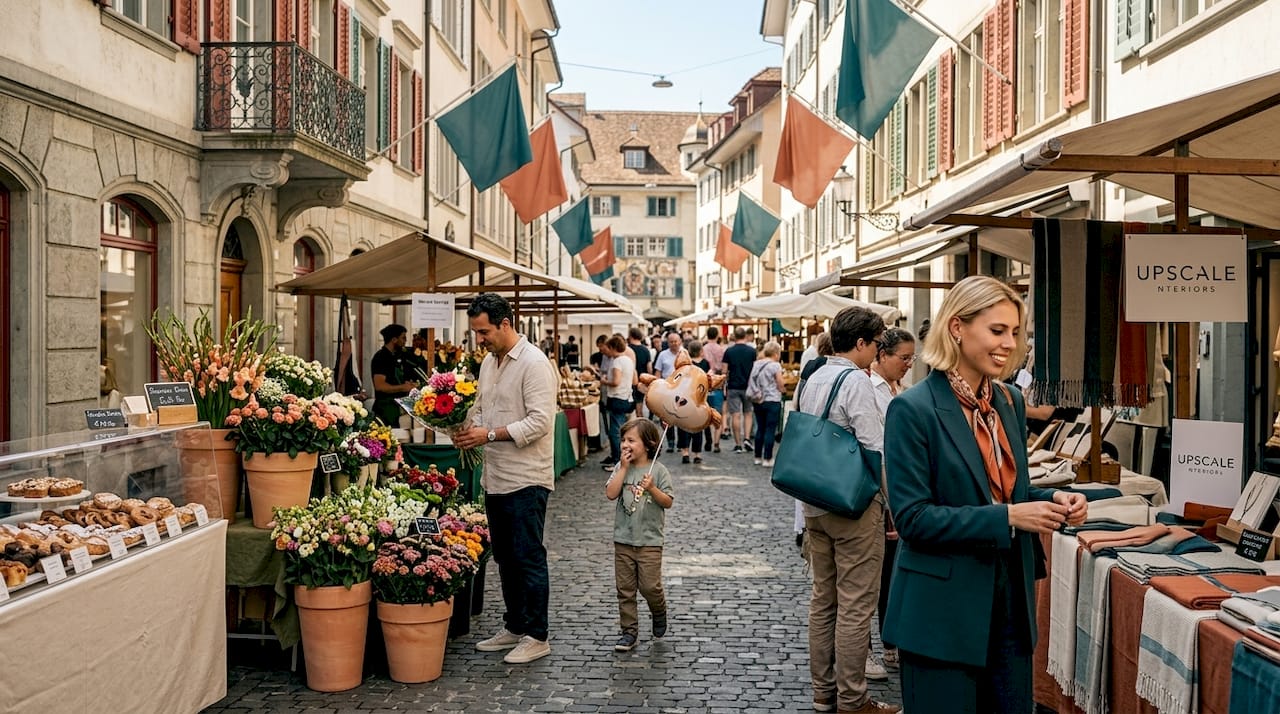
The historic Old Town, known locally as the Altstadt, anchors the city’s cultural identity. Landmarks like the Fraumünster, famous for its Marc Chagall stained-glass windows, and the twin-towered Grossmünster draw visitors from across Europe. The Lindenhof hill offers a quiet, elevated view over the rooftops and the Limmat River below. These aren’t just tourist checkboxes. They’re living parts of a city that takes its history seriously.
What surprises many first-time visitors is the linguistic texture of daily life. Zürich residents speak Swiss German, a dialect quite distinct from standard High German. Street signs and official communications appear in High German, but conversations happen in Züritüütsch. Don’t let that intimidate you. English is widely spoken, especially in the city center, and locals are genuinely welcoming to newcomers.
- Fraumünster and Grossmünster: two of Switzerland’s most significant Romanesque and Gothic churches, both on the Limmat riverbank
- Kunsthaus Zürich: one of Switzerland’s largest art museums, with collections spanning from the Middle Ages to contemporary art
- Bahnhofstrasse: a 1.4-kilometer shopping boulevard ranked among Europe’s most prestigious retail streets
- Zürich West: a former industrial district now home to galleries, design studios, and some of the city’s best nightlife options
Pro Tip: If you want to experience Zürich like a local rather than a tourist, spend a Sunday morning at the Bürkliplatz flea market on the lake. It’s free to browse, genuinely eclectic, and a great way to absorb the city’s relaxed weekend rhythm.
How to get around Zürich using the ZVV network
The ZVV (Zürcher Verkehrsverbund) is Zürich’s integrated public transport authority, coordinating trams, trains, buses, and lake boats into a single ticketing system. Over 1.8 million journeys happen across this network daily, making it one of the most heavily used urban transport systems in Europe. The practical implication for you is simple: you rarely need a car in Zürich.
Here’s how to navigate the system effectively:
- Understand the zone system. ZVV divides the region into fare zones. Most central Zürich attractions fall within zones 110 and 120. Buying the right zone ticket avoids overpaying.
- Get the Zürich Card if you’re visiting. The Zürich Card costs CHF 29 for 24 hours and CHF 56 for 72 hours. It covers unlimited public transport and free or discounted entry to over 40 museums. For a two-day visit with even two museum entries, it pays for itself.
- Use the ZVV app for real-time planning. The app shows live departures, route options, and ticket purchases. It’s available in English and handles multi-modal journeys without confusion.
- Plan around major events. The city issues detailed traffic advisories for large events at venues like Stadion Letzigrund. Checking these before a concert or festival saves you from unexpected delays and parking headaches.
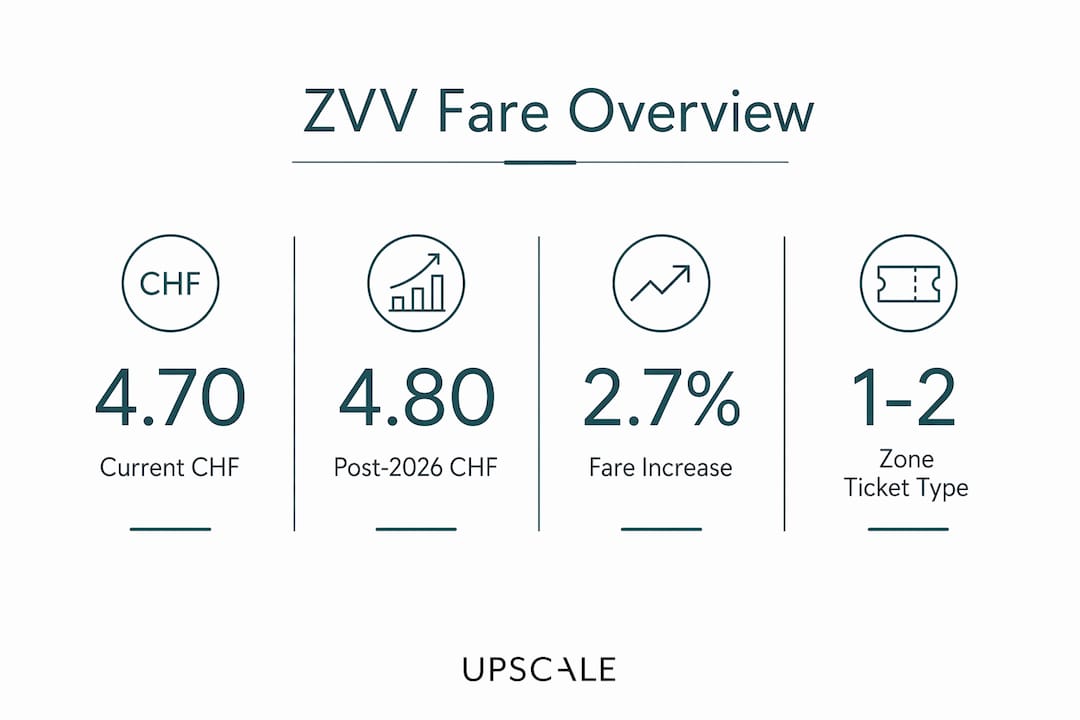
- Budget for the December 2026 fare increase. ZVV has confirmed a fare rise of approximately 2.7% starting December 2026. A standard 1-2 zone adult ticket moves from CHF 4.70 to CHF 4.80, and a 3-zone ticket from CHF 7.20 to CHF 7.40. These are incremental changes, not dramatic price shocks.
Pro Tip: The Zürich Card is validated from first use, not from purchase. Buy it the evening before a full sightseeing day and activate it when you board your first morning tram. You get maximum value without wasting a single hour.
Top things to do in Zürich for first-time visitors
Zürich rewards curiosity. The city’s Zürich tourist attractions range from free lakeside walks to ticketed cultural institutions, so your budget shapes the experience rather than limiting it.
- Swim at Seebad Utoquai. This historic lakeside bathing facility on Lake Zurich charges CHF 8 for adult entry and includes diving boards, a pool, sauna, and a restaurant. It’s one of the most genuinely local summer experiences in the city, and far more atmospheric than any commercial lake cruise.
- Walk Bahnhofstrasse end to end. Start at Zürich Hauptbahnhof and walk south toward Bürkliplatz. The street covers luxury retail at the northern end and opens onto the lake at the south. The full walk takes about 20 minutes and costs nothing.
- Explore the Altstadt on foot. The narrow lanes of Niederdorf on the east bank of the Limmat are packed with independent cafés, bookshops, and small galleries. This is where Zürich’s creative energy lives between the polished landmarks.
- Visit Kunsthaus Zürich. The museum’s 2021 extension doubled its exhibition space, making it Switzerland’s largest art museum. The permanent collection includes works by Alberto Giacometti, Edvard Munch, and Claude Monet.
- Experience Zürich nightlife options in Zürich West. The Langstrasse and Zürich West districts are the city’s nightlife core. Clubs like Hive and Zukunft draw international DJs, while the Viadukt arches house cocktail bars and restaurants that stay lively well past midnight.
When it comes to the best restaurants in Zürich, the city punches well above its weight. Kronenhalle on Rämistrasse is a Zürich institution, serving classic Swiss and European dishes in a dining room lined with original Picasso and Miró artworks. For something more casual, the Markthalle im Viadukt offers a covered market with food stalls representing Swiss, Italian, and Asian cuisines under one roof.
Living and investing in Zürich: lifestyle, economy, and connectivity
Zürich contributes around 10% of Switzerland’s GDP, with roughly 90% of employment in the tertiary sector. That economic weight translates into a city that continuously invests in its own infrastructure, cultural institutions, and public spaces. For residents and investors alike, that stability is a meaningful signal.
Zurich Airport is Switzerland’s largest international hub, connecting the city to major European capitals and intercontinental destinations. For professionals working across borders or investors managing assets internationally, that connectivity is a practical daily advantage, not just a convenience.
Living in Zürich means access to a lifestyle that combines urban amenities with genuine outdoor access:
- Neighborhoods like Seefeld and Enge sit directly on Lake Zurich, offering residential streets with water views and easy access to lakeside parks
- Zürich West and Kreis 4 attract younger professionals and creatives, with a mix of converted industrial spaces and new residential developments
- Küsnacht and Zollikon (just outside the city boundary) offer quieter, more spacious residential living with fast rail connections back to the center
- Cultural infrastructure includes over 50 museums, the Zürich Opera House, the Schauspielhaus theater, and a calendar of international events year-round
The narrative that Zürich is prohibitively expensive deserves some nuance. Yes, costs are high by European standards. But the incremental nature of fare increases and the availability of genuinely affordable public experiences like Seebad Utoquai mean that daily life here is more accessible than the reputation suggests. Knowing where to look makes a real difference.
Key takeaways
Zürich rewards visitors and residents equally because its culture, transport, and economic strength operate as a single, well-maintained system rather than separate attractions.
Why Zürich keeps surprising me, even after years of working here
I’ll be honest with you: when people ask me about Zürich, they usually expect me to lead with the cost of living. And yes, a coffee costs more here than in most European cities. But that framing misses the point entirely.
What I find genuinely remarkable about Zürich is how little distance exists between its different registers of life. You can be in a world-class museum, then on a lake beach, then in a design-forward apartment, all within the same afternoon. For anyone thinking about where to live or invest in Switzerland, that density of quality is hard to replicate elsewhere.
From an interior design perspective, Zürich homes reflect the city’s character. Residents here tend to invest seriously in their living spaces, partly because the city rewards that investment with strong property values, and partly because the lifestyle demands it. When your city looks this good outside, you want your home to match. The apartments in Seefeld, the townhouses in Enge, the loft conversions in Zürich West: each neighborhood has its own visual language, and the best interiors I’ve seen here speak that language fluently.
My honest recommendation for first-time visitors: skip the hop-on hop-off bus. Walk the Altstadt, swim at Seebad Utoquai, eat at Markthalle im Viadukt, and take a tram to Zürich West after dark. That itinerary costs almost nothing and shows you the real city.
Transform your Zürich home with Upscale Interiors
Zürich’s design culture is exacting, and your home should reflect the same standard the city sets in everything else. Upscale Interiors works with homeowners and property investors across Zürich to create bespoke residential spaces that match both the city’s aesthetic and your personal vision. From space planning and material selection to full project management, every detail is handled with care. Whether you’re furnishing a new apartment in Seefeld or redesigning a family home in Enge, our team brings the creative vision and local knowledge to make it genuinely wow. Explore our Zürich interior design services or book your design consultation to get started.
FAQ
What is the Zürich Card and is it worth buying?
The Zürich Card costs CHF 29 for 24 hours and CHF 56 for 72 hours, covering unlimited public transport and free or discounted entry to over 40 museums. For most visitors doing two or more cultural activities per day, it pays for itself quickly.
How much will ZVV fares cost after December 2026?
ZVV fares increase by approximately 2.7% in December 2026. A standard 1-2 zone adult ticket rises from CHF 4.70 to CHF 4.80, and a 3-zone ticket from CHF 7.20 to CHF 7.40.
What are the best free or low-cost things to do in Zürich?
Walking Bahnhofstrasse, exploring the Altstadt’s Niederdorf lanes, and visiting the Bürkliplatz flea market on Sundays are all free. Seebad Utoquai offers full lakeside swimming facilities for CHF 8 per adult.
Is Zürich a good city for property investment?
Zürich generates around 10% of Switzerland’s GDP and benefits from Zurich Airport’s international connectivity, making it one of Europe’s most stable residential property markets. Strong demand from international professionals keeps vacancy rates low and values resilient.
How do I plan transport around major events in Zürich?
The City of Zürich publishes official traffic advisories for large events at venues like Stadion Letzigrund, including public transport recommendations and parking restrictions. Checking these before attending any major concert or sports event saves significant time and frustration.
Recommended
- Interior Design Zurich | Swiss Interior Designers – Upscale
- Interior Design Pop-Up Event in Zurich | Upscale Interior
- Upscale Interiors Designers | Carina
- Interior trends 2024 | Upscale Interiors