.svg)

Few Swiss cities pack as much character into such a small footprint as Lucerne. Sitting at the edge of a glittering alpine lake with a medieval old town that looks almost too perfect to be real, Lucerne is the kind of place that stops you mid-step. But beyond the postcard views, this city quietly offers something most visitors completely miss: a living lesson in how architecture, nature, and culture can shape the way we design our homes. Whether you’re planning your first visit or your fifth, this guide will help you see Lucerne with fresh eyes.
Key takeaways
Lucerne’s must-see landmarks
There’s a reason travelers return to Lucerne again and again. The city rewards curiosity. Most visitors head straight for the Chapel Bridge, and for good reason. Built in 1333, it’s Europe’s oldest covered wooden bridge, and the painted triangular panels inside tell Switzerland’s history in vivid strokes. The Wood Tower rising from the water beside it is equally striking. Both are completely free to visit.
A short walk away sits the Lion Monument, carved directly into the sandstone rock face in 1821. It is one of the most quietly powerful sculptures you’ll see anywhere in Europe, and the garden setting around it adds to the reflective mood. The point is that these two sites alone could anchor your entire morning without any rush.
What makes this cluster special from a design perspective is the texture. The Old Town’s car-free streets feature over 100 frescoed facades, many dating from the medieval and Renaissance periods. Running your eyes along these buildings, you start to understand why Lucerne interiors so often blend warm ochres, earthy neutrals, and dark timber tones. The city is a mood board in physical form.
Here’s what’s worth paying attention to on your walk:
- The geometric painted ceilings inside Chapel Bridge, which translate beautifully into ceiling medallion and wallpaper pattern ideas
- The Museggmauer medieval wall with its nine towers, offering a study in raw stone texture and proportion
- The Weinmarkt square, where Renaissance facades show how color and symmetry can coexist with age
- Lakeside promenades lined with belle époque hotels whose window proportions and ironwork details remain stunning
Pro Tip: Visit Chapel Bridge before 9 a.m. or after 6 p.m. to photograph its architectural details without tour group crowds. The low morning light on the painted panels inside is genuinely breathtaking and gives you a clearer sense of the warm tones that influence local interior palettes.
Lake Lucerne and Mount Pilatus excursions
If the Old Town feeds your design instincts, the lake and mountains will recharge everything else. And together, they explain something important about Swiss interior design: why the color palettes feel so calm, and why natural materials are never just a trend here.
The panorama cruise on Lake Lucerne runs daily from April to October, lasts one hour, and starts from CHF 15. It departs from Pier 7 at Schweizerhofquai. Worth noting: audio guides are not included, so download a few notes beforehand or simply let the landscape speak for itself. On select days, you can also board one of the five historic Belle Époque paddle steamers that date from 1901 to 1928 and are actively used on the lake’s routes. Watching the mountains’ reflection ripple off the water from the deck of a century-old steamer is an experience that genuinely earns the word “wow.”
The Mount Pilatus Golden Round Trip is a full-day experience and one of Switzerland’s most satisfying excursions. Here’s how the journey breaks down:
- Take a boat across Lake Lucerne from the city center, soaking in the panoramic alpine backdrop.
- Board the cogwheel railway at Alpnachstad. Opened in 1889, it’s the steepest cogwheel railway in the world.
- Reach the summit at over 2,100 meters for views across the Alps that stretch on seemingly forever.
- Descend by aerial gondola and cableway to Kriens, then return to Lucerne by bus.
The full Golden Round Trip costs around CHF 72 and operates mid-May through mid-October. If you’re looking to save, the Tell-Pass covers unlimited access to boats and mountain railways for two to five days. A two-day pass runs about CHF 78, and a five-day pass is around CHF 128. The Swiss Travel Pass gives 50% off mountain railways.
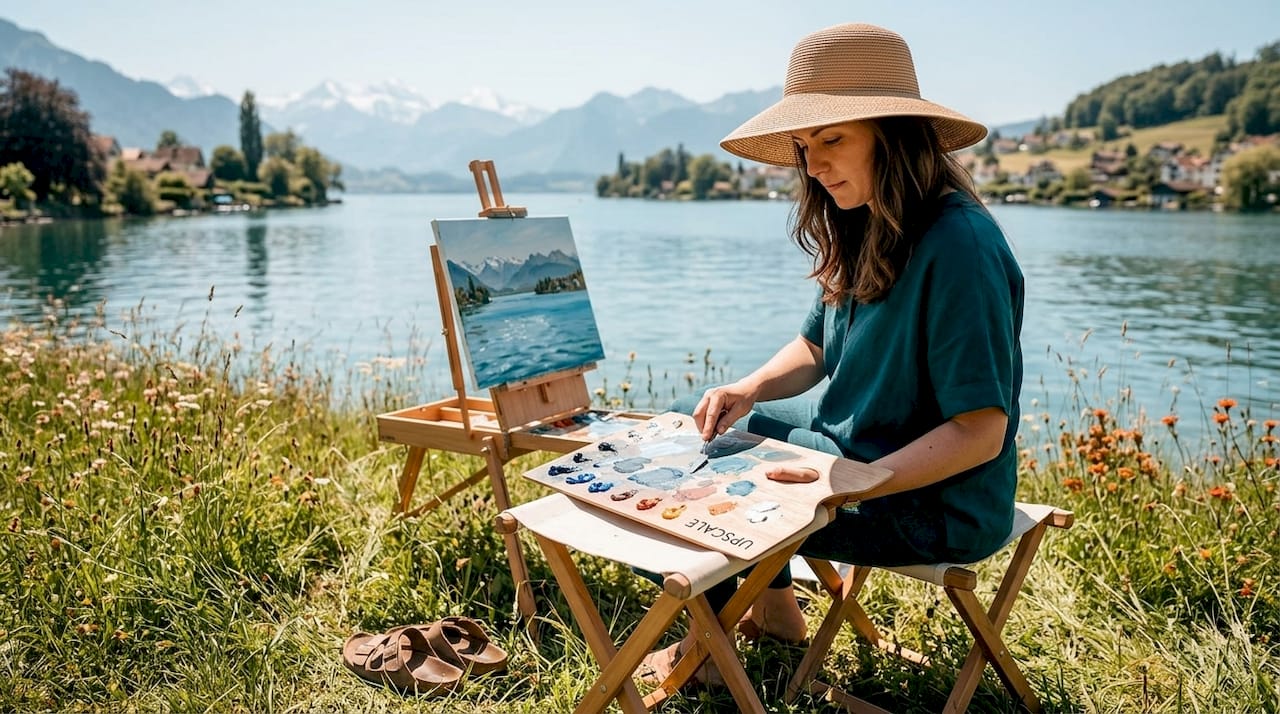
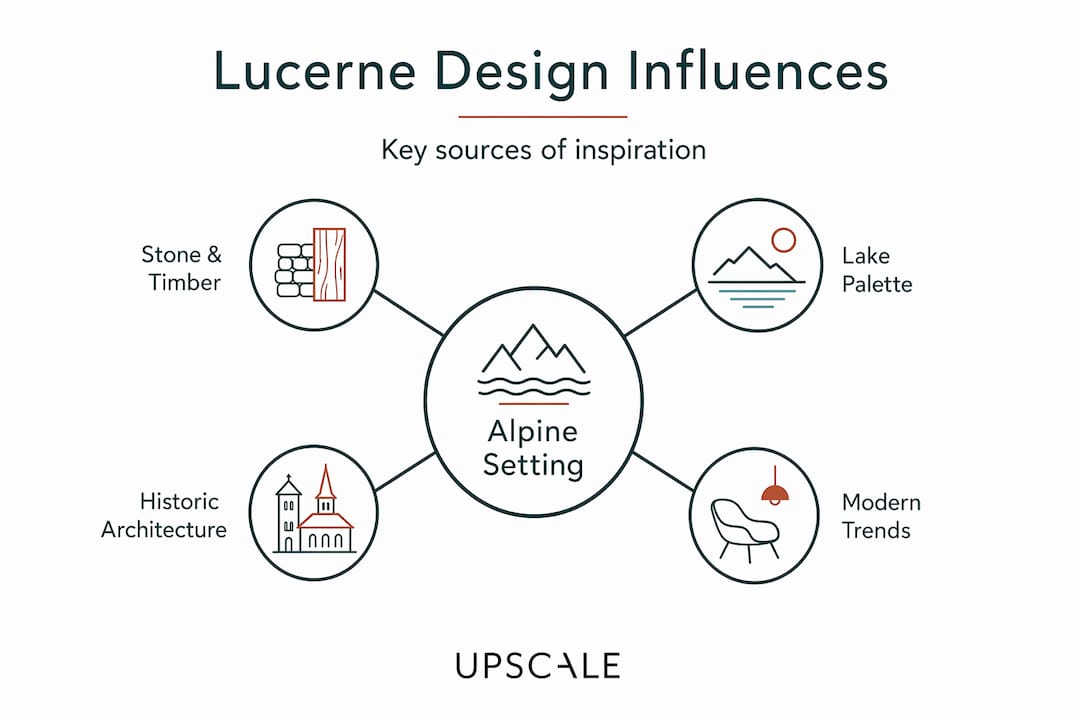
What does all this have to do with your home? Quite a lot, actually. The grey-blue tones of the lake at midday, the bleached limestone of the summit rocks, the deep forest greens on the lower slopes: these are the exact colors you’ll see repeated in Lucerne’s best-designed interiors. Nature here doesn’t just inspire. It informs.
Lucerne’s interior design culture
Lucerne punches well above its population size when it comes to design culture. The city’s blend of old-world architectural heritage and a wealthy, discerning residential base has produced a distinctive interior sensibility: understated, materially rich, and deeply informed by the surrounding environment.
Natural surroundings shape every design choice here, from the selection of stone and solid wood over synthetic finishes to the preference for blue, gray, and forest green accents over louder tones. Local designers here rarely need to explain the reasoning. When you live five minutes from a lake that looks like liquid slate in winter and turquoise glass in summer, you absorb a visual language that guides every material decision.
Here is a quick comparison of the two dominant design approaches you’ll see in Lucerne homes:
Both styles share a commitment to quality materials and quiet confidence. Neither shouts for attention. If you want to bring home Lucerne’s signature look, visit a few of the design showrooms in the city center. Several carry furniture and textile collections that are not widely stocked elsewhere in Switzerland.
Pro Tip: Check local event listings for design exhibitions during your visit. Lucerne periodically hosts design and craft fairs, particularly in late spring and autumn, that give you direct access to local artisans whose work captures the alpine material palette beautifully.
You can also explore Lucerne’s current design trends to understand how the city’s aesthetic continues to evolve. If you want a closer look at what contemporary design actually looks like inside a Lucerne apartment, a modern glam Lucerne project by Upscale shows just how far local design has come.
Planning your trip practically
Getting the logistics right matters a lot in Lucerne. The good news: this city is incredibly easy to navigate, and a little planning goes a long way.
Where to stay:
- The Old Town area puts you within walking distance of everything. Look for boutique hotels in converted historic buildings for the full design experience.
- The Seeburgstrasse lakeside strip offers larger hotels with spectacular water views and notably strong interior design credentials.
- For a quieter, more residential feel, the Tribschen neighborhood south of the Old Town has a handful of stylish guesthouses.
Dining with atmosphere:
Lucerne’s restaurant scene reflects the same aesthetic values as its interiors: warm, carefully considered spaces where material quality matters. The Old Town holds several traditional Swiss restaurants in centuries-old buildings with vaulted ceilings and heavy timber. For something more contemporary, the Tribschen and Neustadt areas have newer spots where the food and the room design feel equally considered.
Getting around:
The entire Old Town core is walkable in under 30 minutes at a stroll. City buses are efficient and run frequently. The Tell-Pass is your best investment if you plan to do both a lake cruise and a mountain excursion in the same trip.
Pro Tip: Pack layers regardless of the season. Mornings by the lake and mountain summits can be genuinely cold even in July. A well-packed day bag means you can move between lakeside cafes, a cogwheel railway summit, and an evening dinner without returning to your hotel between activities.
Lucerne also hosts the World Rowing Cup in 2026, which draws international visitors to Lake Rotsee and creates an energetic atmosphere throughout the city. If your visit overlaps with this event, the buzz around the lake is well worth experiencing.
My honest take on Lucerne as design inspiration
I’ve traveled through a lot of European cities with an eye for design, and Lucerne is one of the few places that genuinely changes how I see interiors afterward. Not because it’s flashy. Because it’s so quietly deliberate.
What I find myself noticing every time is not the obvious landmarks but the smaller things. The way a 700-year-old bridge uses painted wooden panels to tell stories. The proportion of windows on the lakeside hotels, tall and arched, framing the water like a living artwork. The fact that even the medieval city walls look like they were designed with restraint and purpose in mind. These are not accidents. They’re the result of a culture that has always valued craftsmanship over spectacle.
Most visitors absorb Lucerne’s beauty without quite naming what they’re responding to. My experience is that when you start naming it, specifically noticing the materials, the color relationships, the way light behaves in different spaces, you take something genuinely useful home with you. Not just memories. A design education. And that is what makes Lucerne different from most travel destinations I’ve visited.
Ready to bring Lucerne home?
If Lucerne has sparked something in you, whether it’s a desire for that classic Swiss warmth, a cleaner alpine palette, or a richer use of natural materials, Upscale’s team in Lucerne is here to help you bring those ideas to life. Upscale specializes in bespoke interior design in Lucerne, working with residential and commercial clients who want spaces that feel as considered and beautiful as the city itself. From material selection and color planning to full project management, every service is tailored to your space and your taste. If you’re ready to start, explore the single area design package as an accessible first step. Your ideal interior is closer than you think.
FAQ
What is Lucerne best known for?
Lucerne is best known for Chapel Bridge, the Lion Monument, and its scenic lakeside Old Town surrounded by alpine peaks. It combines medieval architecture with easy access to mountain and lake excursions.
How long do you need to visit Lucerne?
Two to three days is enough to see the main landmarks, take a lake cruise, and do one mountain excursion like the Mount Pilatus Golden Round Trip, which costs around CHF 72.
What is the best way to save money on Lucerne excursions?
The Tell-Pass offers unlimited access to boats and mountain railways for two to five days, starting at around CHF 78. The Swiss Travel Pass gives 50% off mountain railways.
How does Lucerne inspire interior design?
Lucerne’s alpine lake, forested mountains, and stone-and-timber architecture directly influence interior color palettes, material choices, and design styles that prioritize natural textures and calm, earthy tones.
When is the best time to visit Lucerne?
Late spring through early autumn (May to October) offers the best weather and full access to lake cruises and mountain excursions, including the cogwheel railway up Mount Pilatus.
Recommended
- Lucerne Interior Design | Swiss Interior Designers – Upscale
- Upscale Interiors Designers | Carina
- Interior Design Zurich | Swiss Interior Designers – Upscale
- Klosters Interior Design | Upscale Interiors