.svg)

Lausanne is one of those cities that surprises you. Most people picture it as a scenic stop on a Lake Geneva tour, a quick visit before heading somewhere else. But spend a few weeks here and you realize it’s something far more interesting: a city actively reinventing itself while holding tightly to a heritage that UNESCO deemed worth protecting forever. Whether you’re planning a visit, considering a relocation, or already hunting for an apartment, this guide cuts through the postcard version and gives you the real picture, from housing developments and transport upgrades to cultural life and what it actually feels like to design a home here.
Key Takeaways
Lausanne’s housing landscape right now
If you’re looking to buy or rent in Lausanne, you’re entering a market that’s genuinely thoughtful about how it grows. The city isn’t just building apartments. It’s building neighborhoods with intention.
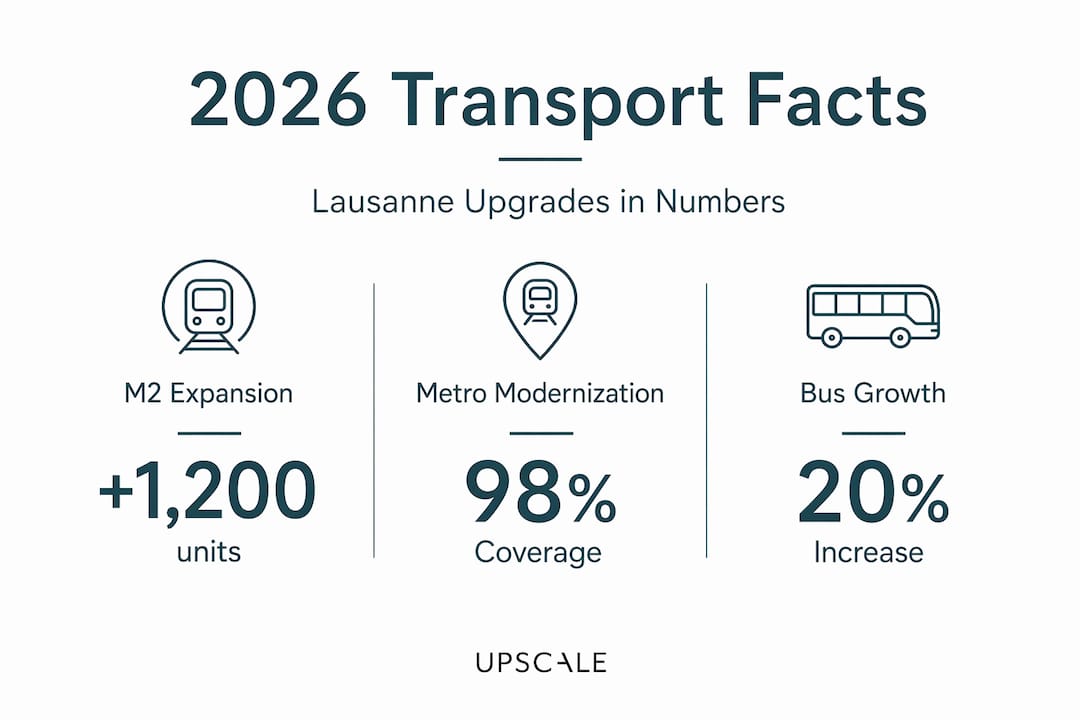
The most significant development underway is the ecoquartier des Plaines-du-Loup, a large-scale urban project on the northern edge of the city. The second phase covers 16 buildings designed by 15 different investors, with construction expected to begin in 2028 and residents arriving around 2031. The project targets 1,200 housing units alongside 30,000 square meters of activity space, meaning this won’t be a dormitory suburb. It’s designed to be a living, working neighborhood from day one.
What makes Lausanne’s approach genuinely different is the social-mix “three-thirds” rule embedded into the planning. One third of units are affordable housing, one third moderate-rate, and one third market-rate. This isn’t a token gesture. It’s written into the development contracts, which means the neighborhood diversity you see on paper is the diversity you’ll actually live in.
Here’s what you need to think about if you’re considering moving near these new developments:
- Amenities timeline: Schools, shops, and services often open years after the first residents arrive. For Plaines-du-Loup phase two, occupancy starts in 2031 after a 2028 construction start. Verify what’s operational before you commit.
- Pricing tiers: The three-thirds model means you have real options across income levels, but market-rate units in new ecoquartiers carry a premium for the design quality and sustainability features.
- Community character: Because housing diversity is intentional, these neighborhoods tend to develop a genuine social mix rather than the homogeneity you find in many new developments elsewhere in Europe.
- Interior customization: New builds often allow early-stage input on finishes and layouts, which is a real opportunity if you want a space that reflects your personal style from the start.
Pro Tip: If you’re buying into a new ecoquartier development, ask the developer specifically which amenities will be operational at handover versus which are planned for future phases. The difference matters enormously for daily life.
Culture, events, and lifestyle in Lausanne
Lausanne punches well above its weight culturally. The city has a population of around 140,000, yet it hosts institutions and events that draw international attention year after year.
The most visually stunning cultural asset is right on the city’s doorstep. The Lavaux terraced vineyards, stretching along the northern shore of Lake Geneva, hold UNESCO World Heritage status. A new management plan updated in 2026 outlines the next decade of preservation priorities, balancing the area’s working wine economy with the authenticity standards UNESCO requires. Walking through Lavaux on a clear afternoon, with the lake below and the Alps across the water, is one of those experiences that genuinely shifts your sense of what “beautiful” means.
On the events front, 2026 marks a historic moment for the city. Lausanne will host the first-ever IJF Judo Grand Slam, running August 28 through 30, with elite and para-athletes from over 50 nations and approximately 12,000 spectators expected. It’s a good example of the kind of international sports prestige Lausanne has cultivated as the home of the International Olympic Committee.
Beyond the headline events, the city’s day-to-day cultural life is rich:
- The Musée Cantonal des Beaux-Arts in the Plateforme 10 arts district is one of Switzerland’s finest fine arts museums, housed in a beautifully converted railway building.
- The Collection de l’Art Brut is genuinely world-class and completely unlike anything else you’ll find in Europe.
- The Lausanne Cathedral (Cathédrale Notre-Dame) is the finest Gothic cathedral in Switzerland and still has a night watchman who calls the hours from the tower, a tradition dating back centuries.
“Lausanne is not a city you decode in a weekend. It reveals itself slowly, neighborhood by neighborhood, and the more you look, the more you find.”
For residents, this cultural richness isn’t just a quality-of-life bonus. It’s a source of genuine design inspiration. The layered textures of Lavaux stone walls, the clean modernism of Plateforme 10, and the Gothic geometry of the cathedral all offer visual languages that translate beautifully into interior spaces.
Getting around: Lausanne’s transport upgrades
Lausanne’s public transport network is already good. It’s about to get significantly better.
In May 2026, a 295 million euro contract was signed to modernize the M2 metro line with a new CBTC (Communications-Based Train Control) signaling system alongside a mid-life upgrade of the existing train fleet. This isn’t routine maintenance. CBTC allows trains to run closer together safely, which directly translates to more frequent service and higher capacity.
Here’s why this matters for anyone planning to live in Lausanne:
- More frequent trains mean you’re less dependent on a car, which is genuinely liberating in a city with limited and expensive parking.
- Increased capacity means the M2 can handle the population growth that new developments like Plaines-du-Loup will bring without the overcrowding that plagues growing cities.
- Refreshed interiors on the upgraded trains improve the daily commuting experience, a detail that sounds minor until you’re on the metro twice a day.
- Minimal disruption during works was written into the contract requirements, so residents won’t face years of degraded service while the upgrades happen.
The M2 upgrade is a capacity expansion as much as a technical one. For anyone relocating from a car-dependent city, Lausanne’s combination of metro, bus, and regional rail makes it possible to live very comfortably without owning a vehicle at all.
Pro Tip: When evaluating apartments, check the walk time to the nearest M2 station rather than just the neighborhood name. Proximity to the metro line has an outsized effect on daily convenience and long-term property value.
Designing your home with Lausanne’s character in mind
Here’s where things get genuinely interesting for anyone setting up a home in Lausanne. The city’s environment creates both constraints and creative opportunities that don’t exist anywhere else in Switzerland.
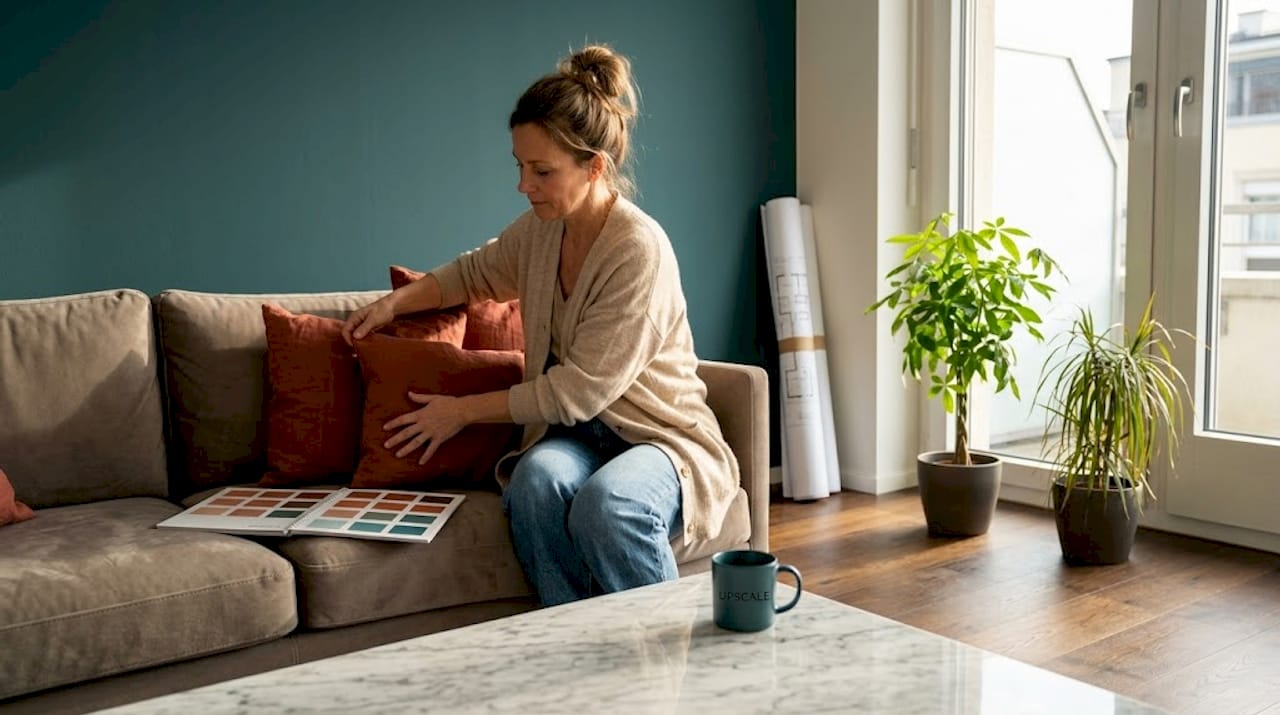
If you’re near the Lavaux area, UNESCO’s preservation standards shape what you can and cannot do with a property. The management plan requires that any development maintains the landscape’s authenticity and visual integrity. In practice, this means exterior alterations face scrutiny, but interiors remain your creative canvas.
The good news is that Lausanne’s aesthetic vocabulary is genuinely inspiring. The stone textures of the old town, the warm ochres of the vineyard terraces, the clean lines of the Plateforme 10 arts district. These aren’t just things to look at. They’re a palette you can bring inside.
For a new ecoquartier apartment, think about pairing the building’s built-in sustainability features with warm, natural materials: oak floors, linen textiles, matte stone surfaces. For a heritage property in the old town, the approach flips. Let the original architecture lead and build your furniture and color choices around it rather than against it. Working with a designer who understands Swiss interior design norms and heritage regulations saves you from expensive mistakes and helps you get the most from whatever space you’re working with.
Pro Tip: Before starting any renovation in Lausanne, check with the city’s building authority whether your property falls under heritage protection or sits within a protected zone. This single step can save months of delays and redesigns.
My honest take on living and designing in Lausanne
I’ve worked on interior projects in several Swiss cities, and Lausanne has a quality that’s genuinely hard to articulate until you experience it. The city feels ambitious and grounded at the same time.
What I’ve learned from projects here is that the biggest mistake new residents make is treating their home as separate from the city around it. In Lausanne, that’s a missed opportunity. The UNESCO approach to preservation has created a culture where people genuinely care about the relationship between buildings and their surroundings. When you bring that sensibility indoors, something clicks.
I’ve seen apartments in the old town where the owners fought the original stone walls and low ceilings, filling the space with oversized contemporary furniture that made everything feel cramped and awkward. And I’ve seen the same building type transformed by someone who leaned into the character, using bespoke joinery, layered lighting, and carefully chosen textiles to make the space feel cozy and considered.
My advice for newcomers is simple: give yourself time to absorb the city before you make major design decisions. Walk the neighborhoods. Visit Lavaux on a weekday when it’s quiet. Spend a morning in the Plateforme 10 arts district. Lausanne will tell you what your home should feel like, if you’re paying attention.
How Upscale can help you design your Lausanne home
Whether you’re moving into a new ecoquartier apartment or renovating a heritage property in the old town, getting the interior right in Lausanne takes more than good taste. It takes someone who understands the local context, the regulations, and the design possibilities that come with living in one of Switzerland’s most architecturally interesting cities.
Upscale offers bespoke interior design services tailored to exactly this kind of project. From space planning and material selection to full project management, the team works with you to create a home that reflects who you are while respecting where you are. You can also explore designer Valerie’s portfolio for examples of how heritage character and modern living can coexist beautifully. Book a consultation and start the conversation.
FAQ
What is the ecoquartier des Plaines-du-Loup?
It’s a large-scale sustainable neighborhood development in northern Lausanne, with phase two bringing 1,200 housing units across 16 buildings, with construction starting in 2028 and residents expected by 2031.
How does UNESCO status affect homes near Lavaux?
Properties near the Lavaux vineyards fall under heritage preservation standards that restrict exterior alterations, but interior renovations remain largely within the homeowner’s control.
Is Lausanne easy to get around without a car?
Yes. The M2 metro, bus network, and regional rail make car-free living very practical, and the ongoing metro modernization will increase service frequency and capacity significantly.
What makes Lausanne’s housing market different from other Swiss cities?
Lausanne uses a “three-thirds” social-mix rule in new developments, requiring one third affordable, one third moderate, and one third market-rate housing, which creates genuinely diverse neighborhoods by design.
When is the Lausanne Judo Grand Slam 2026?
The first-ever IJF Judo Grand Slam in Lausanne runs August 28 through 30, 2026, featuring athletes from over 50 nations and around 12,000 expected spectators.
Recommended
- Navigate the interior design tender process in Switzerland
- Lucerne Interior Design | Swiss Interior Designers – Upscale
- How to set a bespoke interior design budget in Switzerland
- Upscale Interiors Designers | Carina