.svg)

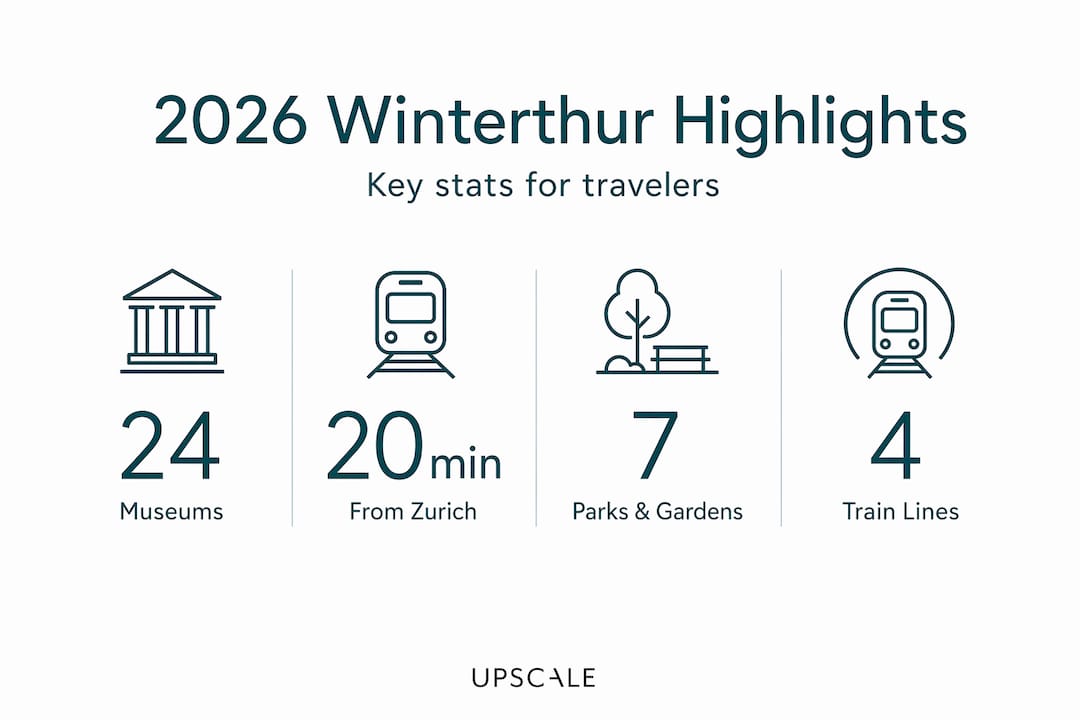
If you’ve written off Winterthur in Switzerland as just another industrial town, you’re missing one of the country’s most rewarding city experiences. With a population over 120,000, Switzerland’s sixth-largest city sits just 20 to 25 minutes by train from Zurich, yet it operates at a completely different pace. Think cobblestone Old Town streets, world-class art collections, free wildlife parks, and repurposed industrial zones humming with creative energy. This guide cuts through the tourist noise and gives you everything you need to explore Winterthur with confidence and curiosity.
Key Takeaways
Why Winterthur in Switzerland Surprises Every Visitor
Most people who pass through Winterthur on the way to somewhere else are making a mistake. The city’s identity was shaped long before its industrial boom, with origins dating to Roman times and medieval growth under the Counts of Kyburg and later the Habsburgs. That deep historical foundation is still visible if you know where to look.
When the industrial revolution arrived, Winterthur became a powerhouse. Companies like Sulzer and SLM put the city on the map for textile machinery and locomotive production. But city planners made a choice that set Winterthur apart from other industrial centers: they embraced the Garden City concept, weaving green residential colonies and parks into the working-class fabric of the city. The result was a place that felt livable, not just productive.
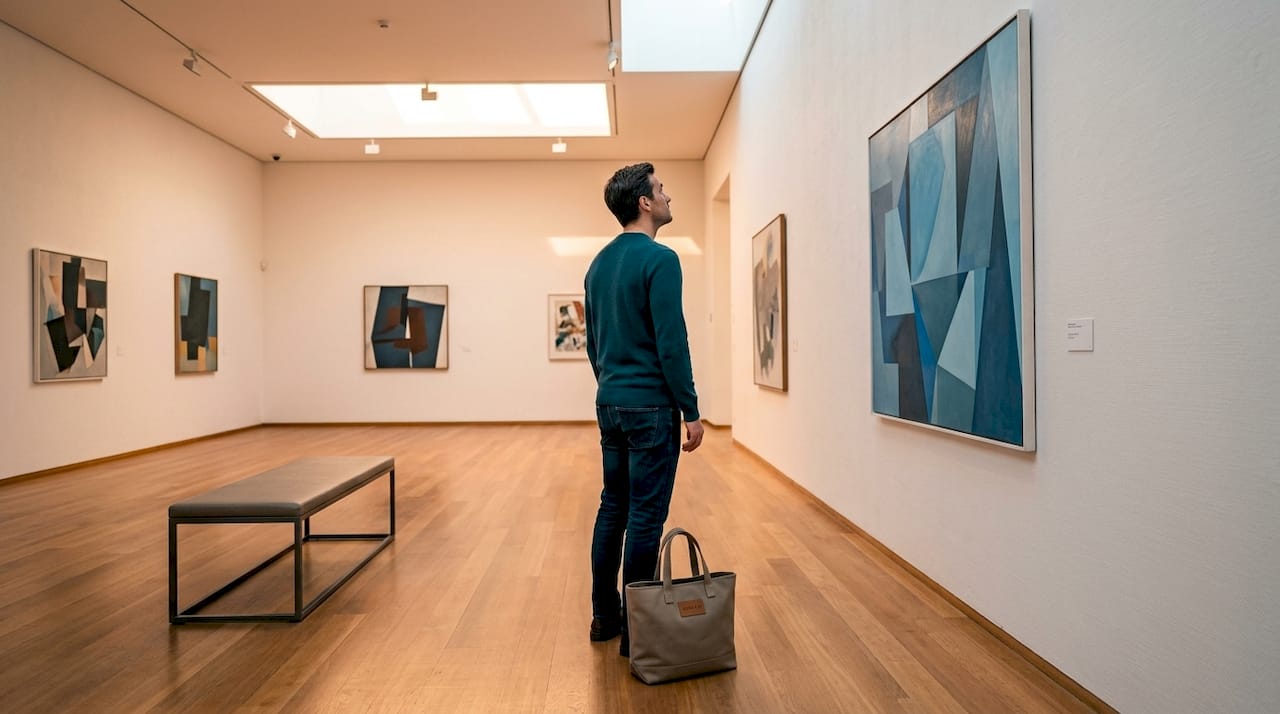
What’s especially striking is that Winterthur preserved its medieval city core even as factories grew around it. Most industrial cities demolished their old centers to make room for expansion. Winterthur didn’t. That decision created the fascinating contrast you feel walking through the city today, where Gothic church spires and a Neo-Renaissance Town Hall designed by Gottfried Semper sit within minutes of repurposed industrial complexes now buzzing with galleries, studios, and restaurants.
The transformation of the Sulzerareal is the clearest example of this. Once the heart of heavy manufacturing, this district is now a creative and cultural quarter with architecture that honors its gritty past while looking firmly forward.
- Medieval core: The Old Town’s layout and key buildings survive largely intact, giving the city genuine historic character.
- Gothic and Baroque architecture: The City Church was rebuilt across multiple centuries and reflects the city’s layered past.
- Sulzerareal: A former industrial site now home to cultural venues, creative offices, and modern residences.
- Garden City legacy: Green residential colonies from the early 20th century still define entire neighborhoods.
Pro Tip: Walk from the Old Town toward the Sulzerareal on a weekend morning. The contrast between centuries-old architecture and revitalized industrial design is genuinely stunning, and the area is far quieter than you’d expect.
Top Winterthur attractions worth your time
Winterthur packs an impressive amount of cultural weight for a city its size. The variety of top-rated experiences ranges from world-class fine art to family-friendly science to forest wildlife, often completely free. Here’s where to focus your time:
- Swiss Science Center Technorama: This is one of Europe’s most engaging hands-on science museums. It’s not just for kids. Adults consistently walk out having genuinely learned something new. Plan at least two to three hours.
- Kunstmuseum Winterthur: Don’t let the city’s size fool you. This art museum holds one of Switzerland’s finest collections of modern and contemporary art, with works that would feel at home in any major European capital.
- Oskar Reinhart Collection: A private patron’s extraordinary legacy, housed in two separate venues in the city. The “Am Römerholz” collection alone is worth a visit for its Impressionist and Old Master works.
- Marktgasse in the Old Town: The cobblestone main street of the historic center is lined with cafés, independent boutiques, and buildings that look exactly the way Switzerland should look in your imagination.
- Wildpark Bruderhaus: A free forest wildlife park where you can see deer, wild boar, and local birds in a natural setting. It’s a genuinely relaxing way to spend a few hours and requires nothing but comfortable shoes.
- Bäumli viewpoint: Locals consider this an underrated spot. From here, you get sweeping panoramic views over the city with the Alps visible in the distance on a clear day.
What makes Winterthur’s museum scene stand out is the richness of its private art collections. Several of Switzerland’s most important art holdings exist here because 19th and early 20th century industrial wealth funded private patronage at an exceptional level. That history of collecting is now your gain as a visitor.
Getting there and planning your trip
The logistics for visiting Winterthur couldn’t be more straightforward, as long as you follow one golden rule: take the train.
- Book your train from Zurich Hauptbahnhof. Trains run frequently throughout the day and the Swiss rail network is famously punctual. The journey takes around 20 to 25 minutes and drops you directly in the city center.
- Leave the rental car behind. Parking in Winterthur is limited, expensive, and enforced with Swiss precision. There is no upside to driving here. The train is faster, cheaper, and less stressful.
- Pack for the season. Winters in Winterthur are genuinely cold and snow is possible between November and March. Warm layers and waterproof boots are non-negotiable if you’re visiting in the colder months. Spring and early autumn offer ideal conditions for walking the city and its parks.
- Plan around Sunday hours. Most shops in Switzerland close on Sundays, but the Migrolino at Winterthur station is permitted to open thanks to a Federal Supreme Court ruling recognizing its transit-oriented clientele. It’s a useful stop for snacks and essentials on a Sunday arrival.
- Consider nearby excursions. Rhine Falls (Europe’s largest waterfall by volume) is reachable in under 30 minutes. Kyburg Castle, a medieval fortress with stunning countryside views, is a short bus ride away and almost no one outside Switzerland knows it exists.
Pro Tip: Visit on a Tuesday or Thursday when many museums have extended evening hours. You get softer light in the afternoon for outdoor sightseeing, then head indoors for art and culture when it gets dark.
Local dining and authentic Winterthur experiences
Beyond the museums and viewpoints, the most memorable part of visiting Winterthur tends to be the everyday moments. The city has an authentic, relaxed atmosphere that you simply don’t find in tourist-heavy destinations.
- Cafés around Marktgasse: Small, cozy spots serving excellent coffee and Swiss staples like Zopf bread and Älplermagronen. Most are independently owned and feel genuinely welcoming rather than tourist-facing.
- Creative dining in the Sulzerareal: The revitalized industrial quarter has become a go-to for interesting restaurants. You’ll find everything from Swiss comfort food to international kitchens, usually in spaces with exposed brick and soaring ceilings that make every meal feel like an event.
- Hidden courtyards and artisan boutiques: Wander off Marktgasse and you’ll stumble onto inner courtyards with independent shops selling ceramics, jewelry, and locally designed goods. These spots reward slow, curious walking over any kind of planned itinerary.
- Seasonal markets and cultural events: Winterthur hosts an active events calendar throughout the year. The Christmas market in December is particularly charming, and summer brings outdoor concerts and art events to public squares and parks.
- Local art and music scene: The thriving artistic community here operates somewhat under the radar. Smaller galleries and music venues around the Sulzerareal and Old Town regularly host openings, concerts, and community events that feel nothing like tourist programming.
The best approach to dining in Winterthur is simply to walk and let yourself be drawn in. The best meals here tend to happen when you follow your nose into a side street rather than following a list.
My honest take on visiting Winterthur
I’ve spent time in most of Switzerland’s well-known cities, and I’ll say this directly: Winterthur gives you a more genuine experience than most of them. Zurich is extraordinary, but it’s self-aware in a way that Winterthur simply isn’t. Here, you’re not surrounded by other tourists trying to have the same experience. You’re in a city that’s living its actual life, and you’re just along for the ride.
What I find most interesting about Winterthur is how the Garden City design philosophy still shapes everyday life. The greenery isn’t decorative. It’s structural. Parks, tree-lined streets, and open spaces are genuinely integrated into how people move through the city, and that quality of life shows in the relaxed pace you feel almost immediately.
My advice for getting the most out of your visit is to resist the urge to schedule everything. Winterthur rewards wandering. Pick one museum in the morning, walk the Old Town after lunch, and follow whatever catches your eye from there. The city’s scale is human, which means you’ll never feel overwhelmed or rushed.
Supporting local businesses here also matters more than in larger cities. Winterthur’s independent shops, cafés, and cultural venues are what sustain its identity as something distinct from the broader urban corridor. When you choose a local spot over a chain, you’re actively participating in what makes this city worth visiting.
Bring the spirit of Winterthur into your home
Spending time in Winterthur has a way of sparking real design inspiration. The city’s aesthetic sits at the intersection of historical depth, thoughtful urban planning, and warm, livable spaces that feel genuinely cared for. If you find yourself drawn to that quality and wondering how to bring it into your own home, that’s exactly where Upscale comes in.
Upscale’s team of experienced designers understands Swiss aesthetics from the inside out. Whether you’re relocating to the Winterthur area or returning home inspired by Swiss interiors, an interior design consultation is the clearest first step toward creating spaces that feel cohesive, beautiful, and entirely yours. For seasonal inspiration that aligns with the cozy warmth of Swiss interiors, Upscale’s guide to winter interior trends is a genuinely useful starting point. Designer Carina’s portfolio shows exactly how Swiss style translates into residential spaces with real warmth and character. Upscale brings that same creative vision to every project.
FAQ
How far is Winterthur from Zurich?
Winterthur is approximately 25 km northeast of Zurich and reachable by direct train in 20 to 25 minutes from Zurich Hauptbahnhof, with frequent daily departures.
What are the best museums in Winterthur?
The Kunstmuseum Winterthur, Swiss Science Center Technorama, and the Oskar Reinhart Collection rank among the city’s top cultural attractions, covering art, science, and private collections of exceptional quality.
Is Winterthur worth visiting for a day trip?
Yes. The city’s compact size and variety of attractions make it an excellent day trip from Zurich. A single day is enough to cover the Old Town, a museum, and the Wildpark Bruderhaus.
What is the best way to get to Winterthur?
The train is the best option by a wide margin. Swiss rail service is punctual and frequent, and driving is complicated by limited parking and strict local enforcement.
What makes Winterthur different from other Swiss cities?
Winterthur offers a relaxed, authentic city experience with far fewer tourists than Zurich or Lucerne. Its blend of medieval heritage, industrial history, and a genuine arts community creates a character that feels entirely its own.
Recommended
- Interior trends 2024 | Upscale Interiors
- Modern Design Inspirations | Upscale Interior
- Upscale Interiors Designers | Carina
- Interior Design Zurich | Swiss Interior Designers – Upscale