.svg)

Quiet luxury interior design is the art of creating deeply refined living spaces through quality materials, calming palettes, and thoughtful restraint rather than visual noise. Geneva homeowners are embracing this philosophy in growing numbers, and the reasons go well beyond aesthetics. The city’s cultural precision, its proximity to Alpine landscapes, and a collective shift toward mindful living all point in the same direction. Why homeowners in Geneva are embracing quiet luxury interior design comes down to one core truth: a beautifully calm home is not a compromise. It is the highest form of personal expression.
Why homeowners in Geneva are embracing quiet luxury interior design
Quiet luxury, known in design circles as “understated elegance,” is defined by what it removes rather than what it adds. No logos. No visual clutter. No trend-chasing. What remains is a space that feels genuinely alive through texture, proportion, and light. Geneva homeowners are drawn to this because it mirrors the city’s own character: precise, confident, and quietly exceptional.
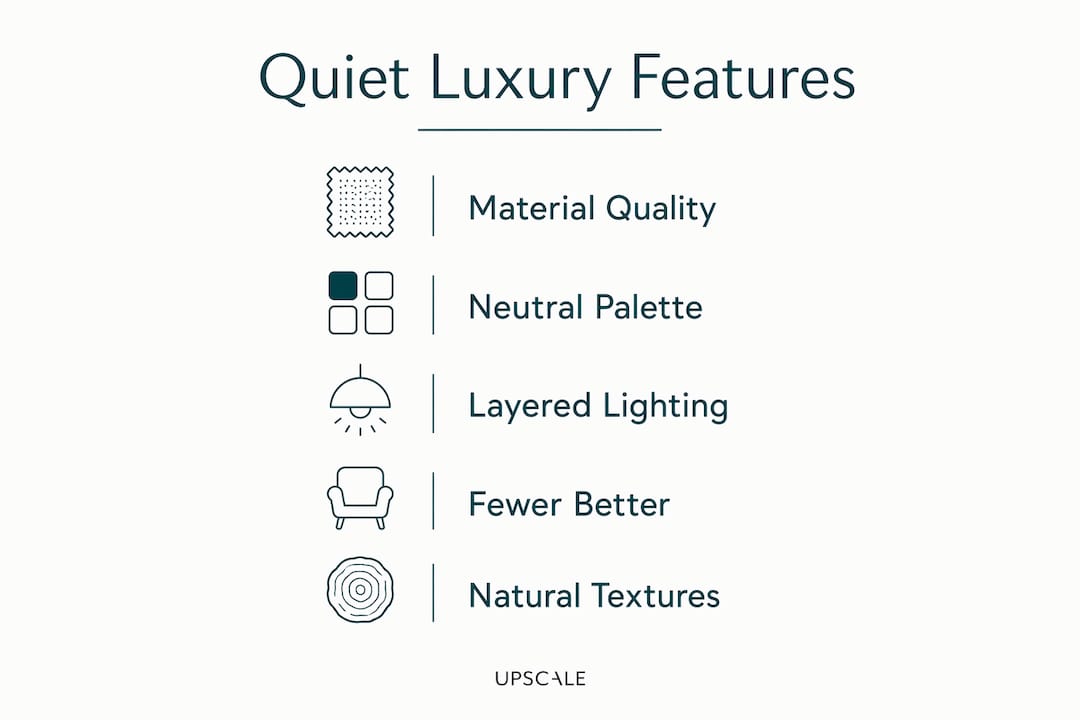
The philosophy rests on three pillars. First, material quality takes priority over quantity. Second, neutral color palettes reduce sensory overload and create environments that feel restorative. Third, every design decision serves the person living in the space, not an imaginary audience. That last point matters most. Quiet luxury is personal in a way that maximalist or trend-driven design rarely achieves.
Upscale Interiors works with Geneva homeowners across this exact philosophy, helping clients build spaces that feel both timeless and deeply personal. The Geneva interior design scene has shifted noticeably toward this direction, and the demand shows no sign of slowing.
What are the defining characteristics of quiet luxury spaces?
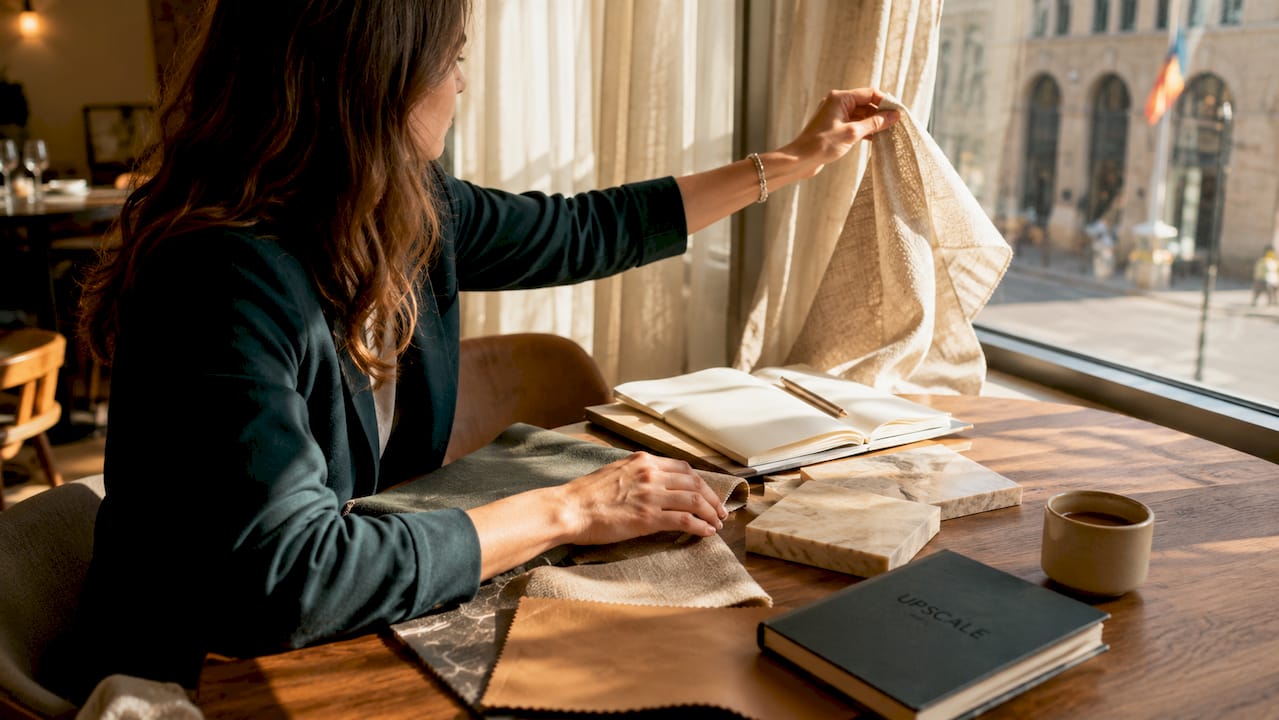
The visual language of quiet luxury is immediately recognizable once you know what to look for. Color palettes lean toward cream, taupe, warm white, and anthracite. These desaturated tones lower cortisol and reduce the visual noise that makes modern interiors feel exhausting. The effect is not coldness. It is calm.
Material selection is where quiet luxury truly separates itself from ordinary minimalism. The key elements include:
- Solid oak and walnut for flooring and furniture, chosen for grain character and longevity
- High-quality linen and wool for upholstery and soft furnishings, valued for their tactile warmth
- Natural leather in muted tones, aged beautifully rather than kept pristine
- Travertine and honed marble for surfaces, preferred over polished stone for their softer visual weight
- Handwoven textiles as accent layers, adding depth without pattern overload
Furniture selection follows a “fewer but better” principle. One well-proportioned sofa with impeccable fabric tension communicates more than a room full of mismatched pieces. The craftsmanship is the statement.
Lighting is treated as a primary building material, not an afterthought. Reflective surfaces amplify natural light and make the outdoor landscape a living part of the interior. In Geneva homes with lake views, this principle creates something genuinely spectacular.
Pro Tip: Swap overhead lighting for a layered system of floor lamps, wall sconces, and task lights. This single change shifts the mood of any room from functional to genuinely inviting.
How does quiet luxury design support mental well-being?
The wellness case for quiet luxury is grounded in real design science, not marketing language. Calming color palettes and visual simplicity actively reduce cortisol levels, the hormone most associated with stress. A space that asks nothing of your eyes gives your nervous system room to recover.
The benefits Geneva homeowners report most often follow a clear pattern:
- Reduced sensory overload. Fewer competing visual elements mean the brain processes the room without effort.
- Haptic grounding. The feel of solid oak or quality linen regenerates homeowners more than visual appearance alone. Touching a beautifully textured surface is genuinely calming.
- Mindfulness by design. Spaces with intentional restraint encourage slower movement and more deliberate living.
- A sense of security. Natural materials and warm neutrals trigger associations with shelter and comfort at a deep psychological level.
- Sustained satisfaction. Trend-driven interiors feel dated within a few years. Quiet luxury spaces feel right for decades, which removes the low-level anxiety of living in a space you know needs updating.
The concept of “haptic grounding” is worth pausing on. It describes the way physical contact with quality materials creates a felt sense of stability. Running your hand along a solid oak shelf or sinking into a linen sofa is not just pleasant. It is physiologically calming. Geneva homeowners who have made this shift often describe their homes as places they genuinely look forward to returning to.
How do Geneva’s regional context and environment shape this trend?
Geneva’s physical and cultural environment makes quiet luxury feel less like a design choice and more like a natural conclusion. The city sits at the intersection of Swiss precision, French sensibility, and Alpine landscape. That combination produces a very specific aesthetic instinct: warmth without excess, quality without display.
The concept of “Alpine minimalism” captures this well. It blends Swiss attention to craft, the hygge-inspired warmth of Scandinavian living, and the textural richness of natural mountain materials. The result is interiors that feel grounded and generous rather than sparse.
Regional environmental factors add another layer. 30–40% of Geneva Riviera residents increasingly choose durable, high-quality materials driven by environmental mandates and urban living demands. That shift toward conscious consumption aligns perfectly with quiet luxury’s core values.
In exclusive Geneva communes like Cologny, biophilic design with lake views has become a defining feature of high-end residential projects. Homes use ultra-high-end finishes while maintaining visual continuity with the natural landscape outside. That indoor-outdoor connection is not decorative. It is structural to how these spaces feel.
Pro Tip: If your Geneva apartment has a view, treat it as your most important design element. Keep window treatments minimal and choose interior colors that echo the tones of the lake and surrounding hills.
How can you achieve quiet luxury in your Geneva home?
Getting quiet luxury right takes intention. The good news is that you do not need to start from scratch or spend a fortune all at once. The approach is cumulative and deeply personal.
- Invest in one anchor piece per room. A beautifully made sofa, a solid wood dining table, or a handcrafted light fixture sets the standard for everything around it.
- Build a cohesive neutral palette. Choose three tones maximum: a base, a mid-tone, and a warm accent. Stick to them across walls, textiles, and furniture.
- Let natural light lead. Use reflective natural stone or high-quality lacquered surfaces to multiply daylight. Sustainability is a core value in 2026, and materials that age beautifully serve both goals.
- Add meaningful art. One piece with personal history adds more depth than a gallery wall of prints. Quiet luxury is specific, not generic.
- Consider pre-owned high-end furniture. A second-hand piece from a respected European maker often outperforms a new piece from a mid-range brand in both quality and character.
- Remove the logos. Quiet luxury is understood only by those with design knowledge. The status it communicates is invisible to the untrained eye, and that is precisely the point.
The most common mistake Geneva homeowners make is confusing quiet luxury with emptiness. Restraint is not absence. A room can be full of warmth, texture, and personality while remaining visually calm. The goal is curation, not deprivation.
Key Takeaways
Quiet luxury interior design creates genuinely restorative homes through material quality, neutral palettes, and deliberate restraint rather than visual abundance.
What I’ve learned about quiet luxury that most articles miss
I’ve worked with Geneva homeowners long enough to notice something that rarely gets said plainly: quiet luxury is harder to get right than maximalist design. When a room is stripped of layers, every proportion, every material choice, and every light source is fully exposed. There is nowhere to hide a mistake. Minimalism demands more expert effort than maximalism, not less. That surprises most people.
The second thing I’ve learned is that warmth is the hardest element to preserve in a subdued space. Homeowners sometimes achieve visual calm but lose the feeling that a room is actually lived in and loved. The fix is almost always tactile. Add a chunky wool throw. Bring in a rough-hewn wooden bowl. Place a single stem in a ceramic vase with visible imperfections. These details cost very little and change everything.
What I find most meaningful about quiet luxury in Geneva specifically is how well it fits the city’s psychology. Geneva residents tend to be private, discerning, and deeply aware of quality. They do not need a room to announce itself. They want a home that rewards the people who actually live in it, not one that performs for guests. That is a genuinely sophisticated way to think about interior design, and it produces spaces that age beautifully.
My honest advice: treat quiet luxury as a lifestyle commitment, not a one-time renovation. Buy less, choose better, and let the space evolve slowly. The homes I’ve seen that get it most right were built over years, not weekends.
— Giorgia D’Amico
How Upscale Interiors brings quiet luxury to Geneva homes
If you’re ready to move from inspiration to an actual space you love coming home to, Upscale Interiors offers a full-service design package built for exactly this kind of project. The Full Home Package covers everything from material selection and space planning to furniture sourcing and full project management. Every decision is curated to reflect your personality and the specific character of your Geneva home. Upscale Interiors has deep experience working with the neutral palettes, natural textures, and bespoke finishes that quiet luxury requires. You can also learn more about full-service interior design to understand what the process looks like from start to finish.
FAQ
What is quiet luxury interior design?
Quiet luxury interior design is defined by understated elegance, quality materials, and neutral palettes that prioritize tactile experience over visual display. It favors craftsmanship and longevity over logos and trend-driven decoration.
Why is quiet luxury popular among Geneva homeowners?
Geneva’s cultural context, Alpine environment, and Swiss appreciation for precision and craft make quiet luxury a natural fit. The design philosophy aligns with local values around quality, privacy, and mindful living.
What colors define a quiet luxury interior?
Cream, taupe, warm white, and anthracite are the core tones. These desaturated palettes reduce sensory overload and create environments that feel calm and restorative rather than cold or empty.
Is quiet luxury design sustainable?
Sustainability is a core value of quiet luxury in 2026. Choosing durable, high-quality materials and buying fewer but better pieces reduces consumption and produces interiors that remain relevant for decades.
How do I start creating a quiet luxury home in Geneva?
Begin with one high-quality anchor piece per room, build a cohesive three-tone neutral palette, and prioritize natural light. Remove logoed or trend-driven items and replace them gradually with crafted, timeless pieces.
Recommended
- Geneva Interior Design | Swiss Interior Designers – Upscale
- Modern Design Inspirations | Upscale Interior
- What Is Full Service Interior Design for Swiss Homes | Upscale Interiors