.svg)

Smart home interior design in Zermatt is defined as the invisible integration of building automation, climate control, and wellness technology into alpine properties without disrupting their traditional chalet character. How smart home interior design is changing properties in Zermatt goes far beyond installing a smart speaker or a Wi-Fi thermostat. It means embedding sensors, actuators, and AI-driven energy management systems so deeply into the architecture that guests and owners experience only the comfort, never the hardware. For homeowners and real estate investors here, this shift represents a real opportunity to lift both livability and long-term property value in one of Switzerland’s most competitive luxury markets.
How smart home interior design is reshaping Zermatt properties
The core principle driving smart home trends in Zermatt is that technology should serve the architecture, not compete with it. Zermatt’s chalets are defined by their proportions, natural wood, stone facades, and the visual relationship they hold with the Matterhorn. Any technology that disrupts those qualities works against the property, not for it. The most successful projects treat smart systems the way a skilled tailor treats a lining: completely hidden, but responsible for everything that feels right.
Interior design technology in properties here operates at a system level. Temperature, humidity, and CO2 sensors are routed through walls during renovation phases. Automated shading is integrated into window frames. Underfloor heating replaces visible radiators. The result is a home that responds to its occupants without a single visible device breaking the visual calm of aged timber and stone. According to Swiss smart building guidance, comfort and security depend on system-level integration of sensors, centralized management, and remote control, not just app-driven lighting setups.

This distinction matters enormously for investors. A property that looks and feels like a timeless Zermatt chalet but performs like a modern smart building commands a premium in both the rental and resale markets. Buyers in this segment are sophisticated. They notice when technology feels bolted on, and they reward properties where it feels inevitable.
How to integrate smart systems without compromising chalet architecture
The first rule of any Zermatt renovation is preserving the original proportions and natural material harmony. Builders combine high-performance insulation and invisible modern technologies that respect original chalet volumes and openings. Smart home integration follows the same discipline: every sensor, cable run, and control panel must be planned to disappear.
The practical approach involves three priorities:
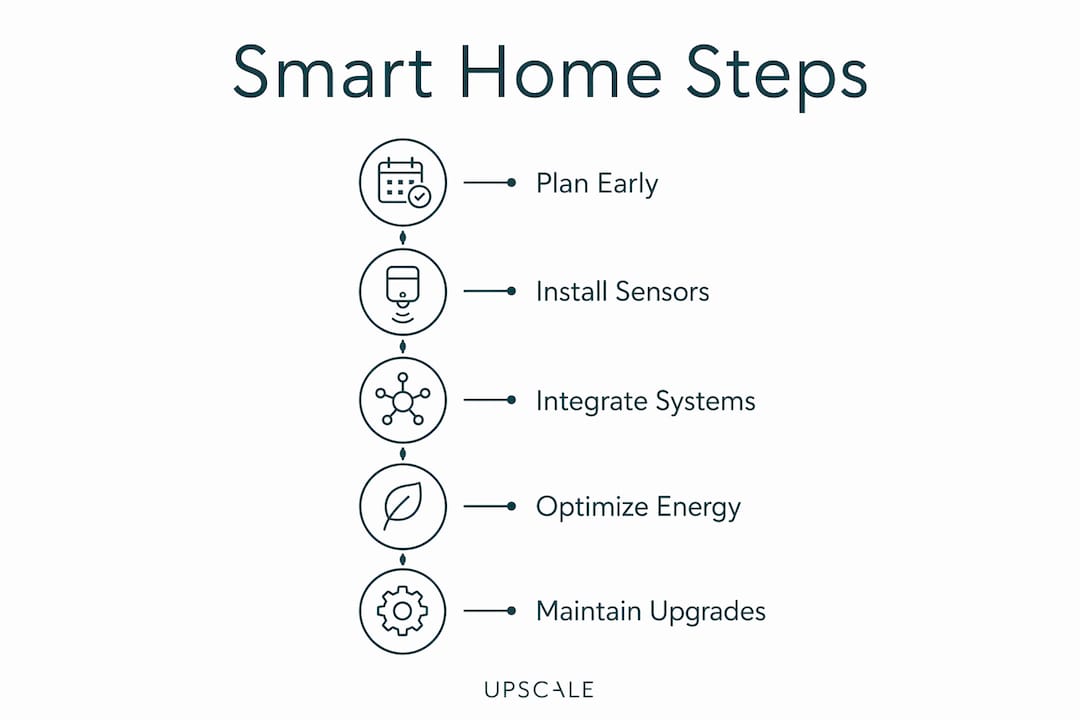
- Structural phase planning. Sensor and cable infrastructure should be embedded during the structural renovation phase, before finishes go in. Retrofitting after the fact means cutting into finished wood paneling or stone walls, which damages aesthetics and costs significantly more.
- Material-first design. Automated shading systems, underfloor heating, and concealed audio speakers are all available in formats that work within traditional alpine materials. The technology adapts to the material, not the other way around.
- Centralized control, minimal hardware. A single wall panel or a discreet tablet mount replaces the cluster of switches and remotes that visible tech setups typically require. Fewer visible devices means a cleaner, more authentic interior.
Successful alpine smart home retrofits integrate sensor infrastructure during renovation phases specifically to avoid visible tech disruptions later. This is the single most common mistake Upscale sees in Zermatt projects: owners who decide to add smart features after construction is complete and then live with the visual compromise for years.
Pro Tip: Plan your sensor and automation infrastructure during the structural phase of any renovation. Routing cables and mounting sensor housings before finishes are applied costs a fraction of what retrofitting requires and keeps your chalet looking exactly as it should.
For design inspiration that balances modern technology with alpine character, the 2024 interior trends from Upscale offer a strong starting point.
What role do AI and building automation play in Zermatt home energy management?
Switzerland’s smart building standards center on GLT (Gebäudeleittechnik) and BAS (Building Automation Systems) integration, where sensors and actuators connect to centralized software that monitors and adjusts heating, ventilation, lighting, and security in real time. For Zermatt properties, this means a chalet can heat specific zones before arrival, reduce energy use during unoccupied periods, and log consumption data that supports both cost management and sustainability reporting.
AI takes this further. A data adapter developed by ZHAW IEFE connects home networks to major consumers and storage systems, using AI forecasts to optimize when heat pumps, appliances, and photovoltaic systems operate. For a Zermatt chalet with a rooftop PV installation, this means the system automatically shifts energy-intensive tasks to peak solar production hours, reducing grid dependency and electricity costs.
The regulatory framework reinforces this direction. Minergie-ECO certification requires quantified greenhouse-gas accounting and favors electrification and efficiency upgrades supported by smart interior technology. Properties that achieve Minergie-ECO status carry a measurable market advantage, particularly with buyers who treat energy performance as a financial metric rather than a lifestyle preference.
Pro Tip: If you’re planning a renovation and want to qualify for Minergie-ECO, document your smart system specifications from the start. Certification reviewers need quantified data on energy controls, and having that infrastructure in place before the audit saves significant time and cost.
Energy optimization is a measurable, sellable asset in Swiss real estate through smart meters and AI-assisted building management systems. That means the investment in a proper BAS is not just an operational decision. It’s a value-creation decision.
Why wellness and connectivity features define luxury smart interiors today
High-end buyers in Zermatt value properties that combine smart comfort technologies with wellness access and fast connectivity. This is the packaging shift that separates a property that sells quickly from one that sits on the market. Smart interior design and wellness amenities are now presented as a single, unified offer.
The Dufourspitz Lodge in Zermatt is a clear example of this approach. Its smart interior design bundles underfloor heating, fast Wi-Fi, and shared wellness facilities including sauna and steam access into a single lifestyle proposition. Guests and owners experience the property as a spa-like environment where comfort is automatic. That perception drives both rental rates and resale premiums.
The specific features that define this category include:
- Zoned climate control. Individual room temperature settings managed through a central system allow each space to feel exactly right without heating or cooling unoccupied areas.
- Air quality sensing. CO2 and humidity monitoring connected to ventilation systems maintains fresh, healthy air automatically, which matters especially in tightly insulated alpine chalets.
- Integrated audio and video. Concealed speaker systems and retractable screens preserve the visual integrity of a room while delivering a full entertainment experience.
- Undercabinet and accent lighting. Programmable LED systems create atmosphere without visible fixtures cluttering ceiling lines or wall surfaces.
- Fast, whole-property Wi-Fi. Mesh networking systems eliminate dead zones and support the connectivity expectations of remote workers and high-end renters alike.
Luxury listings bundle wellness features alongside climate controls and connectivity to enhance guest comfort and rental appeal. The takeaway for investors is straightforward: packaging smart tech as a wellness and comfort narrative is not marketing spin. It reflects what buyers are actually paying for.
For ideas on how winter comfort design translates into smart home features, Upscale’s seasonal inspiration guides are worth exploring.
Visible tech showcase vs. integrated smart design: which approach wins in Zermatt?
The “tech showcase” approach treats smart home features as selling points to be displayed. Large touchscreen panels on walls, visible speaker arrays, prominent control hubs. It works in some markets. In Zermatt, it tends to work against the property.
The reason is simple. Zermatt’s design ethos is subtlety and timelessness. A visible tech retrofit often results in clutter and decreases property appeal, whereas integrated sensor infrastructure planned during the design phase preserves finishes and aesthetics. Buyers who pay premium prices for a Zermatt chalet are buying a feeling as much as a floor plan. Visible hardware interrupts that feeling.
The integrated approach, by contrast, prioritizes sensor placement, system routing, and design unity from the start. Natural light, material textures, and spatial flow remain the dominant experience. The technology is felt, not seen. Investors consistently see stronger long-term ROI with this approach because the property ages gracefully rather than looking dated as specific tech products become obsolete.
The comparison is worth making explicit:
The lifecycle management of smart building systems through continuous updates and sensor documentation is what keeps an integrated system performing over time. This is the part most owners overlook: smart design is not a one-time installation. It’s an ongoing asset that rewards consistent attention.
Key takeaways
Smart home interior design in Zermatt delivers lasting value only when technology is planned as invisible infrastructure from the start, not added as visible hardware after construction.
My honest take on smart home design in Zermatt chalets
I’ve worked on enough alpine renovation projects to say this with confidence: the biggest mistake property owners make is treating smart home technology as a feature list rather than a design discipline. They see a catalog of products and start selecting. What they should be doing is starting with the architecture and asking what the building needs to perform beautifully over the next 30 years.
Zermatt is unforgiving in this respect. The properties that hold their value and attract the strongest buyers are the ones where nothing feels out of place. When I walk into a chalet and the first thing I notice is a large touchscreen panel on a hand-hewn timber wall, I know the design process went wrong somewhere. The technology announced itself when it should have been silent.
The evolving expectation from luxury buyers is not for more visible technology. It’s for more effortless comfort. Those are very different things. Effortless comfort means the room is already at the right temperature when you arrive. It means the lighting shifts naturally as the afternoon light changes outside. It means the air feels fresh without you ever thinking about ventilation. Achieving that requires serious technical planning and serious design discipline working together from day one.
The other thing I’d encourage any Zermatt property owner to think about is lifecycle management. Smart systems need updating, sensor topologies need documenting, and software needs maintaining. Treating your building automation as a living system rather than a finished product is what separates properties that perform consistently from those that develop expensive problems five years after installation. Work with designers and integrators who think in decades, not product cycles.
Ready to bring smart design to your Zermatt property?
At Upscale, we specialize in exactly this kind of work: combining traditional Swiss alpine aesthetics with thoughtfully integrated smart home systems that enhance comfort, energy performance, and long-term value. Whether you’re planning a full chalet renovation or looking to upgrade an existing property with discreet automation and wellness features, our team brings the design discipline and technical knowledge to get it right from the start. We work with you from concept through project management, so nothing gets left to chance. Start with an interior design consultation to explore what’s possible for your specific property and goals.
FAQ
What is smart home interior design in a Zermatt chalet?
Smart home interior design in a Zermatt chalet is the invisible integration of climate control, sensors, lighting automation, and energy management systems into the property’s architecture without disrupting its traditional alpine character. The goal is effortless comfort, not visible technology.
How does smart design affect property value in Zermatt?
Properties with integrated smart systems, wellness features, and energy-efficient building automation consistently command higher rental rates and resale premiums in Zermatt’s luxury market. Buyers treat measurable energy performance and comfort technology as financial assets, not lifestyle extras.
What is the best time to install smart home systems in a chalet renovation?
The structural renovation phase is the right time to install sensor infrastructure, cable runs, and automation hardware. Planning smart systems before finishes go in protects aesthetics, reduces cost, and ensures long-term serviceability without visible disruption.
What is Minergie-ECO and why does it matter for smart home upgrades?
Minergie-ECO is a Swiss certification framework that requires quantified greenhouse-gas accounting and rewards electrification and smart energy controls. Achieving it adds a measurable market credential to your property and supports premium positioning with sustainability-focused buyers.
How does AI improve energy management in a Zermatt smart home?
AI-driven smart meters connect to heat pumps, PV systems, and major appliances to forecast and optimize when each device operates, increasing solar self-consumption and reducing grid electricity costs. Research from ZHAW IEFE confirms this approach delivers measurable efficiency gains in Swiss residential properties.
Recommended
- Modern Design Inspirations | Upscale Interior
- Interior trends 2024 | Upscale Interiors
- Upscale Interiors Designers | Carina
- Interior Design Zurich | Swiss Interior Designers – Upscale