.svg)

Sustainable interior design is defined as the practice of creating high-end living spaces using natural, durable, and low-impact materials alongside energy-efficient technologies that support occupant wellbeing. Luxury homeowners in Arosa are choosing sustainable interior design at a growing rate, and the reasons go well beyond environmental conscience. Arosa’s year-round Alpine lifestyle demands interiors that perform in every season, age beautifully, and feel genuinely restorative. Standards like FSC certification for timber, triple-glazed glazing with U-values of 0.6 W/m²K or better, and biophilic design principles are now shaping what premium living looks like in the Swiss Alps. The result is a new definition of luxury: one where beauty, durability, and wellness reinforce each other.
Why luxury homeowners in Arosa are choosing sustainable interior design
The shift is real and it’s specific. Arosa luxury homes are moving away from heavy Alpine clichés toward quieter, more personalized spaces built for year-round living. Demand is growing for integrated saunas, recovery areas, spas, and Pilates studios within private residences. That shift reflects a broader truth: today’s luxury homeowner wants a home that actively supports their health, not just one that looks impressive.
Sustainable luxury interiors deliver on both counts. Natural materials like stone, timber, and wool create tactile warmth that synthetic alternatives simply cannot replicate. Passive design strategies, including building orientation and natural ventilation, create invisible comfort that you feel without ever noticing the mechanism. That invisibility is the point. The best sustainable design disappears into the experience of living well.
How sustainable materials elevate luxury interiors in Arosa homes
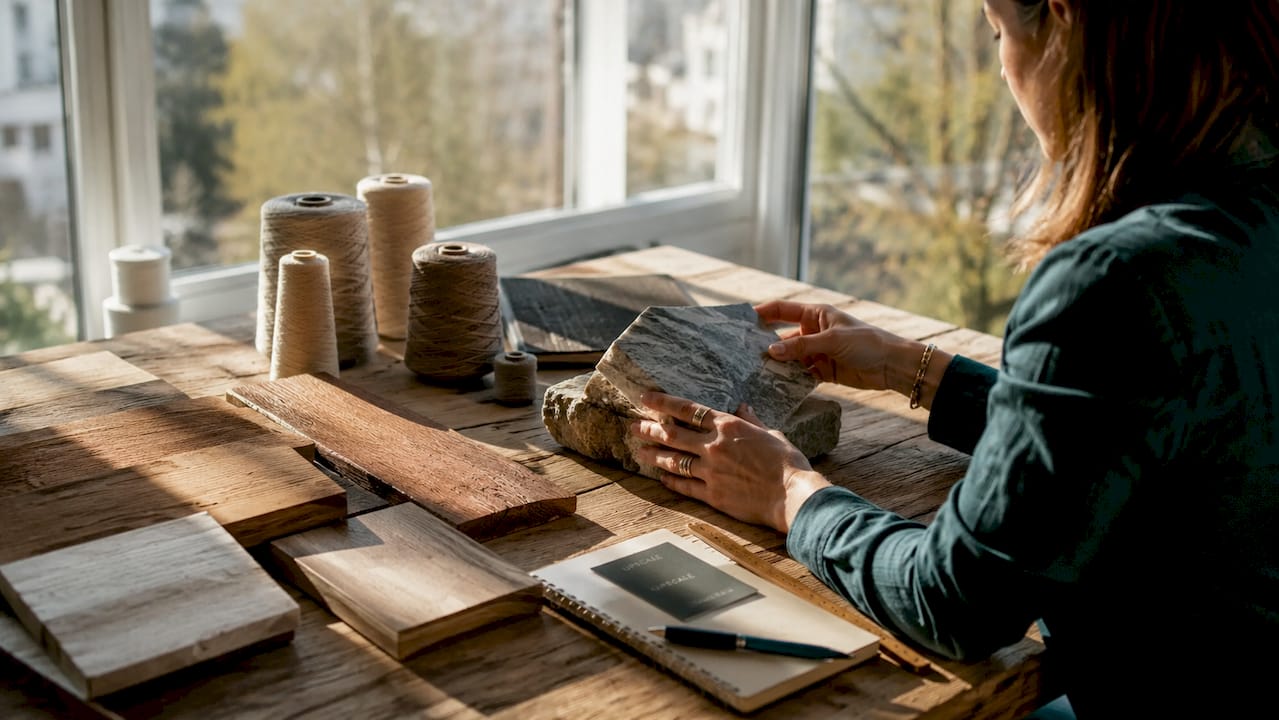
The materials you choose define how your home feels in ten years, not just ten days after installation. FSC-certified timber, natural stone, and wool outperform synthetic options in longevity and tactile quality, and they contribute directly to property value retention. A reclaimed oak floor develops character over decades. A synthetic laminate simply wears out.
Natural materials vs. synthetic alternatives
Luxury materials age with a patina that adds richness absent in synthetic, disposable trends. That’s not just an aesthetic argument. It’s a financial one. Every time you replace a synthetic surface, you pay a “disposability tax” in both money and waste. Durable sustainable furniture reduces replacement frequency and cuts long-term environmental impact significantly.
The most effective material choices for Arosa homes include:
- FSC-certified timber for structural elements, flooring, and cabinetry
- Natural stone for kitchen surfaces, bathrooms, and feature walls
- Wool and linen textiles for upholstery, rugs, and window treatments
- Recycled metals for hardware and lighting fixtures
- Clay and lime plasters for walls that regulate humidity naturally
Pro Tip: When selecting timber for an Alpine home, ask your supplier for FSC Chain of Custody documentation. It confirms the wood was harvested responsibly and gives you a paper trail that adds credibility when you sell.
How do eco-friendly technologies work in Alpine luxury homes?
Technology in sustainable luxury design works best when you cannot see it. Triple-glazed windows with U-values of 0.6 W/m²K or better let you enjoy panoramic Alpine views without losing heat through the glass. That’s a genuine performance breakthrough. Earlier generations of large-format glazing were thermal liabilities. Modern glazing standards make them assets.
Solar gain management is equally critical in Arosa, where sun angles shift dramatically between winter and summer. Electrochromic glass and adjustable brise-soleils prevent overheating in summer while preserving daylight and views. Electrochromic glass tints automatically in response to light intensity. Brise-soleils are external shading fins that block direct sun without blocking the view. Both are now standard features in well-designed new builds.
Smart building automation takes the experience further. Advanced automation platforms use occupancy data to adjust climate and lighting dynamically, optimizing energy use while staying completely hidden behind natural material finishes. You walk into a room and it’s already at the right temperature. The system learned your patterns and acted before you arrived.
Key technologies worth specifying for your Arosa home:
- Triple-glazed window systems with thermally broken frames
- Electrochromic or smart glass for south-facing elevations
- Zoned HVAC with smart thermostats for room-by-room climate control
- Automated brise-soleils or external blinds linked to weather sensors
- LED lighting with circadian rhythm programming for health-supportive light cycles
Pro Tip: Specify your smart home automation platform before finalizing your interior finishes. Retrofitting sensors and controls behind stone cladding or timber paneling costs significantly more than integrating them during the build phase.
What is biophilic design and why does it matter for wellness?
Biophilic design is the practice of connecting interior spaces to the natural world through materials, light, views, and living elements. In Arosa, where the Alpine landscape is the primary reason people choose to live there, biophilic design is not a trend. It’s the obvious response to the setting.
Human Sustainable Architecture places occupant wellbeing and ecological impact at the center of every design decision. It balances historical context with modern comfort and environmental stewardship. For an Arosa homeowner, that means a home that honors the Alpine vernacular while performing to contemporary wellness standards.
Here’s how the best biophilic and wellness-focused interiors come together in practice:
- Maximize natural light. Orient living spaces toward the best views and use deep window reveals to bring in diffused light without glare. Light quality affects mood, sleep, and energy levels directly.
- Layer natural textures. Combine rough stone, smooth timber, woven wool, and aged metal in the same space. Tactile variety creates sensory richness that feels grounding rather than clinical.
- Integrate wellness amenities. Saunas, steam rooms, cold plunge pools, and Pilates studios are now core features of luxury Alpine homes, not optional extras. They make the home a destination in itself.
- Use tonal, nature-referenced palettes. Colors drawn from the surrounding landscape, warm grays, deep greens, and earthy ochres, connect the interior to the exterior without forcing a literal translation.
- Design for seasonal flexibility. Arosa is a year-round destination. Your interior should feel equally right in a snow-covered February and a sun-filled July. Layered textiles, adjustable lighting, and flexible furniture arrangements make that possible.
Explore eco-conscious design inspiration to see how these principles translate into real spaces. The connection between a well-designed interior and genuine daily wellbeing is one of the most underrated arguments for investing in sustainable luxury design.
What are the long-term financial benefits of sustainable interiors?
Sustainable interior design pays back over time in ways that conventional design simply does not. Energy-efficient systems like smart thermostats and zoned HVAC cut household heating and cooling costs by 10–20% annually. Over a decade, those savings offset a significant portion of the initial technology investment.

The financial case extends beyond energy bills. Durable natural materials reduce the frequency of replacement cycles. Non-toxic finishes and materials improve indoor air quality, which reduces health-related costs and increases daily comfort. And homes with verified sustainable credentials are increasingly attractive to buyers in the premium Alpine market, supporting strong resale values.
Following current design trends shows that sustainability is now a core expectation in luxury real estate, not a niche preference. Buyers at the top of the market want homes that reflect their values as well as their taste.
Key financial and environmental benefits at a glance:
- Lower energy bills through efficient glazing, insulation, and smart climate systems
- Reduced replacement costs from durable, long-lasting natural materials
- Better indoor air quality from non-toxic paints, plasters, and finishes
- Higher resale appeal in a luxury market that increasingly values sustainability credentials
- Reduced waste through fewer renovation cycles and longer material lifespans
The winter design principles that make an Alpine home feel cozy and grounded in the cold months are the same ones that make it energy-efficient. Good insulation, natural textiles, and passive solar gain management work together. The aesthetic and the performance are the same decision.
Key Takeaways
Sustainable luxury interiors in Arosa deliver lasting beauty, measurable energy savings, and genuine wellness benefits that conventional design cannot match.
What I’ve learned about sustainable design in Alpine homes
I’ve watched the conversation around sustainable luxury shift from “can we afford it?” to “can we afford not to?” That change happened faster in Alpine markets like Arosa than almost anywhere else in Switzerland. The reason is straightforward: when your home sits inside one of the most beautiful natural environments on earth, you feel the responsibility to protect it more acutely.
What surprises most homeowners I work with is how little sustainable design asks of them aesthetically. The misconception is that eco-friendly means compromise. The reality is the opposite. Natural materials age better, feel better underfoot and to the touch, and create spaces that feel genuinely alive rather than staged. A lime-plastered wall in morning light is simply more beautiful than painted drywall. That’s not ideology. That’s observation.
The most effective sustainable strategies are also the most invisible ones. Passive solar gain management, natural ventilation, and thoughtful building orientation do their work without any visible technology at all. You just notice that the house is always comfortable. That quiet competence is the hallmark of great design, sustainable or otherwise.
My honest advice: stop thinking of sustainability as a category of design and start thinking of it as a quality standard. The best materials, the best technologies, and the best spatial thinking all happen to be sustainable. That’s not a coincidence. It’s because durability, beauty, and environmental responsibility point in the same direction.
Upscale’s approach to sustainable luxury in Arosa
Upscale works with luxury homeowners across Switzerland and Europe to create bespoke interiors that are as beautiful as they are responsible. If you’re planning a home in Arosa, the team brings deep experience with Alpine biophilic design, material selection, and the kind of wellness-focused spatial planning that makes a residence feel genuinely restorative.
From FSC-certified material sourcing to smart home integration and full project management, Upscale handles every detail with a personalized approach. The process starts with understanding how you actually want to live in your home, then building a design around that reality. If you’re ready to create a space that reflects both your values and your taste, start your project with Upscale today.
FAQ
What makes an interior design “sustainable” in a luxury home?
Sustainable interior design uses natural, durable, and responsibly sourced materials alongside energy-efficient technologies to reduce environmental impact while enhancing occupant wellbeing. FSC-certified timber, natural stone, and wool are common examples in luxury Alpine homes.
Do sustainable materials look as good as conventional luxury finishes?
Sustainable luxury materials often look better over time because they develop patina and character rather than fading or chipping. Natural stone, aged timber, and wool textiles create a richness that synthetic alternatives cannot replicate.
How much can energy-efficient systems save in an Arosa home?
Smart thermostats and zoned HVAC systems reduce heating and cooling costs by 10–20% annually. Over a decade, those savings offset a significant share of the initial installation investment.
What is biophilic design and why is it popular in Arosa?
Biophilic design connects interior spaces to the natural world through materials, light, views, and living elements. In Arosa, where the Alpine landscape is the primary draw, biophilic principles create interiors that feel like a natural extension of the environment outside.
Does sustainable interior design increase property value in Alpine markets?
Homes with verified sustainable credentials are increasingly attractive to premium buyers in Alpine markets. Durable materials, energy-efficient systems, and wellness amenities all contribute to stronger resale appeal and long-term value retention.
Recommended
- Upscale Interiors – Swiss Interior Designers | Stylish Spaces
- Why Hire an Interior Designer for Your Luxury Home | Upscale Interiors
- Upscale Interiors — Schweizer Innenarchitekten | Stilvolle Räume