.svg)

Luxury interior design for vacation homes in Andermatt is defined by one core principle: contemporary elegance grounded in Alpine tradition. The best Andermatt luxury home design layers natural stone, aged wood, and bespoke furnishings to create spaces that feel both sophisticated and genuinely warm. Designers like Patricia Urquiola have set the benchmark here, blending modern minimalism with tactile richness in projects like the Maya residences. ELIE SAAB Maison has brought couture-level elegance to the Swiss Alps. If you own or plan to own a vacation home in Andermatt, these are the ideas worth building around.
1. Luxury interior design ideas for Andermatt vacation homes: start with materials
The foundation of any high-end Alpine interior is its material palette. Successful mountain interiors layer at least four distinct textures: stone, wood, textiles, and metal. Each material plays a specific role in creating depth and sensory warmth.
Local granite anchors floors and fireplace surrounds with geological weight. Solid walnut and aged oak bring warmth to walls, ceilings, and furniture frames. Textiles like wool, shearling, and linen soften the hard surfaces. Matte black metal accents on fixtures, railings, and hardware add a contemporary edge without feeling industrial.
- Stone: Local granite for flooring and fireplace surrounds
- Wood: Solid walnut tables, oak paneling, and hand-carved details
- Textiles: Wool throws, linen upholstery, and sheepskin rugs
- Metal: Matte black ironwork, powder-coated fixtures, and patinated brass
Pro Tip: Avoid mixing more than two metal finishes in a single room. Matte black and aged brass work beautifully together in Alpine settings without competing for attention.
2. Rich color palettes that honor the Alpine landscape
Color is where many vacation home interiors go wrong. Beige and pure white read as generic. Designers suggest rich color palettes drawn directly from Andermatt’s landscape: charcoal gray, pine green, midnight blue, and aged terracotta.
These tones do something specific. They anchor the interior against the intense outdoor light that floods Alpine spaces, especially in winter when snow reflects sunlight at full intensity. A charcoal gray wall reads as grounded and calm. A pine green tile in the bathroom connects the room to the surrounding forest. The effect is cohesive rather than decorative.
Rich, deep tones also age well. A vacation home sees heavy use across seasons. Colors that hide wear and complement natural materials will look better after five years than a pale, neutral scheme ever could.
3. Bespoke furnishings and collectible design pieces
Generic furniture has no place in a serious Andermatt vacation home. Patricia Urquiola’s approach centers on bespoke pieces and collectible designs that treat furniture as sculpture. The result is a home that feels curated rather than assembled.
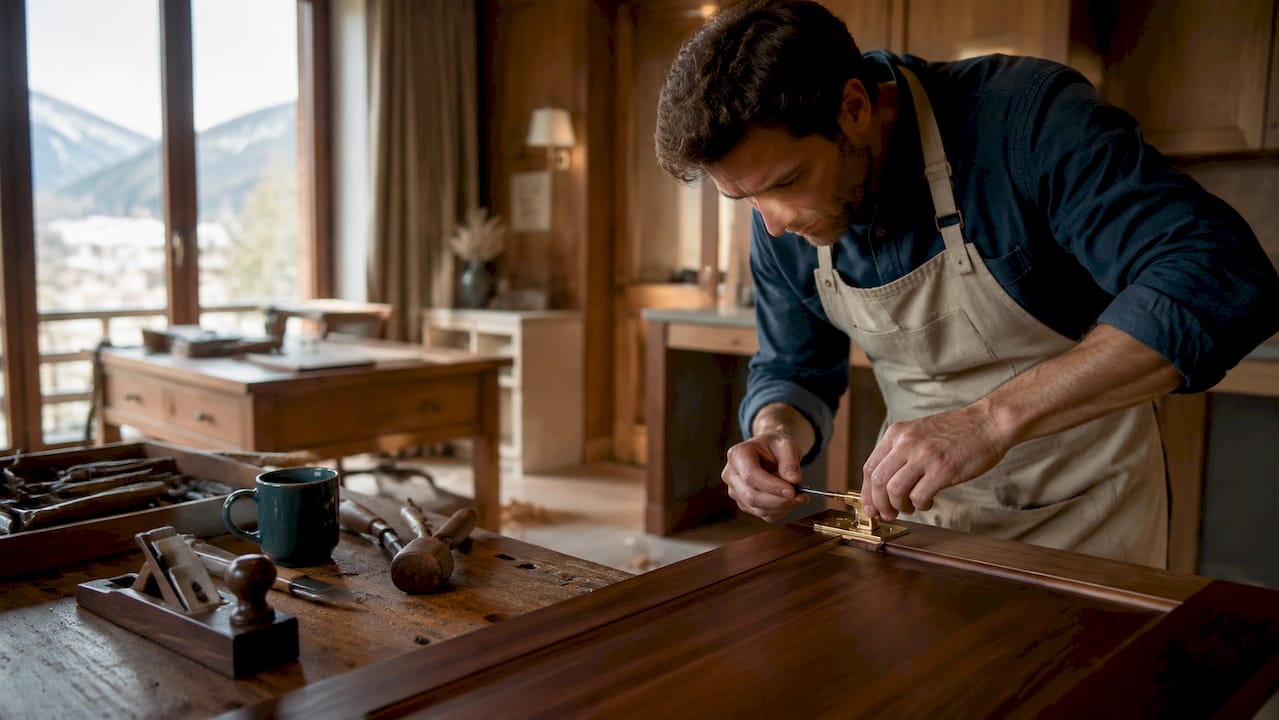
Bespoke furnishings serve two purposes. They fit the exact proportions of your space, which matters enormously in Alpine architecture where ceiling heights and window placements are often non-standard. They also carry a story. A solid walnut dining table made by a local craftsman connects your home to Andermatt in a way that a catalog piece never will.
- Sofas and seating: Invest here first. Deep, low-profile sofas in performance wool or bouclé create the cocooning effect that makes mountain homes feel genuinely restful.
- Dining tables: Solid wood with visible grain and natural edge details reinforce the Alpine character.
- Accent chairs: One or two collectible pieces by recognized designers add visual interest without overwhelming the room.
- Storage and shelving: Built-in joinery in oak or walnut reads as architectural rather than furniture.
Pro Tip: Spend the largest share of your furniture budget on the sofa and the dining table. These are the pieces guests interact with most, and they set the tone for every other decision in the room.
4. Sculptural lighting that creates warmth and texture
Lighting is the single most underestimated element in stylish interiors for mountain homes. Natural alpine light fluctuates greatly across seasons and times of day. A lighting scheme that works in july will feel flat and cold in december without the right layering.
The solution is a multi-layered approach with dimmable sources at every level. Overhead pendants provide ambient light. Wall sconces add warmth at eye level. Table lamps and floor lamps create intimate pools of light in seating areas. Indirect lighting behind shelving or beneath counters adds depth without glare.
Sculptural pendants made from blown glass, hand-forged iron, or woven natural fibers serve as focal points. A designer lighting guide for luxury homes confirms that statement pendants above dining tables and in double-height living rooms create the most dramatic impact in high-ceiling Alpine spaces. The fixture becomes part of the architecture.
5. Maximizing scenic views and natural light
Andermatt’s greatest design asset is its setting. The mountains, the valley, and the changing light are free features that most interior designers would pay a fortune to replicate. The job of the interior is to frame them, not compete with them.
Patricia Urquiola uses floor-to-ceiling glazing in the Maya residences to make the mountain view the dominant visual element in every main room. Curved loggias and expansive terraces extend the living space outward. Inside, furniture is arranged to face the view rather than a television or fireplace.
The Chedi Andermatt applies this principle through layered materials and controlled lighting that shift the atmosphere from bright and social during the day to intimate and warm in the evening. That adaptability is what separates a well-designed vacation home from a beautiful but static one.
6. Local craftsmanship and authentic Swiss details
Authenticity is the quality that separates a truly memorable vacation home from one that simply looks expensive. Local craftsmanship in wood carving, ironwork, and stonework connects your home to Andermatt’s specific history and geography. It tells a story that imported furniture cannot.
Practical examples include hand-forged iron door handles, solid walnut staircases with carved balusters, and fireplaces built from local stone. Fireplaces carved from Salvan stone are a signature feature in the Maya residences. The green-veined stone is specific to the Swiss Alps and grounds the design in regional geology. You cannot replicate that effect with a standard marble surround.
Integrating distant influences thoughtfully also works. The Chedi Andermatt blends Swiss woodwork with subtle Asian accents and patinated leather, creating a sophisticated interior that feels international without losing its Alpine identity. The key is proportion. Local materials and craftsmanship should dominate. Imported influences should accent.
7. Durable, guest-friendly luxury for vacation home use
A vacation home in Andermatt is not a primary residence. It sees wet ski boots, rotating guests, and seasonal extremes. The interior needs to handle all of that without looking worn. Durability requires 80–90% of key furniture to use performance fabrics and materials built for heavy use.
- Performance fabrics: Bouclé, performance wool, and treated linen resist staining and pilling far better than standard upholstery.
- Indoor-outdoor rugs: Natural fiber rugs like sisal or performance wool blends handle moisture and dirt from ski boots without deteriorating.
- Powder-coated metals: Outdoor-grade finishes on metal furniture and fixtures resist humidity and temperature swings.
- Seasonal accessories: Swap throw pillows, ceramics, and small textiles between seasons to refresh the look without replacing furniture.
- Avoid delicate decor: Thin-stemmed glassware, fragile ceramics, and light-colored upholstery are poor choices for a home with rotating guests.
The goal is an interior that feels genuinely lived-in and tactile. Guests should feel comfortable putting their feet up, not anxious about damaging something precious. Luxury and durability are not opposites in a well-planned vacation home. For guidance on where to allocate your budget across these categories, Upscale’s article on setting a design budget in Switzerland is a practical starting point.
8. Comparing leading luxury developments in Andermatt
Two projects define the current standard for high-end vacation home design in Andermatt: the Maya residences by Patricia Urquiola and the POST Hotel & Residences by ELIE SAAB.
ELIE SAAB’s Andermatt residences feature bespoke interiors furnished exclusively with ELIE SAAB Maison pieces. The result is a home that arrives fully realized, with panoramic windows and fireplaces already integrated into the design. Patricia Urquiola’s Maya residences take a different path, using curved walls to separate functional zones and alpine landscapes to inform color choices throughout. Both approaches share a commitment to natural materials and a rejection of generic chalet nostalgia. Your own vacation home design can draw from either philosophy depending on whether you prioritize editorial minimalism or couture warmth. For more inspiration on how global design influences merge with Swiss craftsmanship, Upscale’s modern design inspirations feature is worth exploring.
Key takeaways
The most effective luxury vacation home design in Andermatt layers local materials, rich tones, and bespoke furnishings to create spaces that are both sophisticated and genuinely durable.
What I’ve learned designing for the Swiss Alps
The biggest mistake I see in Andermatt vacation homes is playing it safe with color. Owners worry that dark tones will make a mountain home feel heavy or oppressive. The opposite is true. Rich charcoal walls and deep pine green cabinetry actually make a room feel more grounded and intentional when the windows are filled with snow and sky. Pale neutrals disappear against that backdrop. They make the interior feel unfinished.
The second thing I’d push back on is the instinct to fill a vacation home with nostalgic chalet references. Antler motifs, kitschy cow bells, and rustic-for-the-sake-of-rustic decor age badly and signal a lack of confidence in the design. The real heritage of Andermatt lives in the quality of the stone, the grain of the walnut, and the weight of a hand-forged iron handle. Those details speak louder than any decorative shorthand.
What actually makes a vacation home feel wow is the sensory temperature of the space. That means layered lighting you can dim to a glow, textiles you want to touch, and furniture arranged so that every seat in the room has a reason to be there. Sociability is the goal. A great Alpine interior makes guests want to stay at the table long after dinner, not retreat to their rooms. That quality is worth designing for deliberately, not leaving to chance.
How Upscale can bring your Andermatt vision to life
Designing a luxury vacation home in Andermatt involves dozens of decisions at once: material sourcing, furniture selection, lighting design, and project coordination across Swiss suppliers and craftspeople. Upscale’s Full Home Package addresses all of it in one place. The service covers space planning, bespoke furniture sourcing, material selection, and full project management from concept to completion. It’s built specifically for homeowners who want a high-end result without managing every detail themselves. You can also browse Upscale’s contemporary holiday home portfolio to see how these principles translate into finished spaces. A personalized consultation is the natural first step toward a vacation home that truly reflects your vision.
FAQ
What materials work best for Andermatt luxury vacation homes?
Stone, solid wood, performance textiles, and matte metal are the four core materials for Alpine luxury interiors. Local granite and walnut are particularly effective because they connect the home to the regional landscape.
How do I avoid a generic chalet look in my vacation home?
Replace decorative nostalgia with quality craftsmanship. Hand-forged ironwork, locally sourced stone fireplaces, and bespoke joinery create authentic Alpine character without resorting to clichéd motifs.
What color palette suits a high-end Andermatt interior?
Rich, nature-derived tones like charcoal gray, pine green, midnight blue, and aged terracotta work best. These colors anchor the interior against intense Alpine light and complement natural materials far better than beige or white.
How should I handle lighting in a mountain vacation home?
Use a multi-layered, fully dimmable scheme with ambient, task, and accent sources. Natural alpine light changes dramatically across seasons, so your lighting needs to adapt from bright and social to intimate and warm.
Is bespoke furniture worth the investment for a vacation home?
Yes. Bespoke pieces fit non-standard Alpine proportions precisely and hold up better over time than mass-produced alternatives. Prioritize the sofa and dining table, where guests spend the most time.
Recommended
- Klosters Interior Design | Upscale Interiors
- Modern Design Inspirations | Upscale Interior
- How to set a bespoke interior design budget in Switzerland
- Escape Design Services | Upscale Interiors