.svg)

Have you ever walked into a large, open-plan room and felt a little lost? While expansive spaces look beautiful, we humans naturally search for cozy, protected corners where we can truly relax, feel safe, and unwind.
In the world of high-end interior design, one of the secrets to making a spacious home feel both luxurious and incredibly welcoming is the architectural niche.
At Upscale Interiors, we view the architectural niche as the ultimate spatial tool. Far from being a mere "gap in the wall," a well-designed alcove is a piece of micro-architecture. It carves out dedicated spaces for your favorite daily rituals, welcoming you home, showcasing beautiful art, gathering with family, or settling down for a quiet night's sleep.
Let's take a journey through the home to see how custom recesses, bespoke millwork, and clever design choices can transform open-plan layouts into an interconnected series of comforting sanctuaries.
1. The Entryway: A Warm, Orderly Welcome
Our journey begins the moment you step through the front door. An entryway sets the entire design narrative for a home. Instead of cluttering a hallway with a basic freestanding coat rack, a recessed entryway niche creates a tidy, welcoming checkpoint that helps you transition from the busy outside world into your private sanctuary.
The Deep Timber Box
When a hallway offers a wide, generous layout, we love using deep walls to hide storage completely.
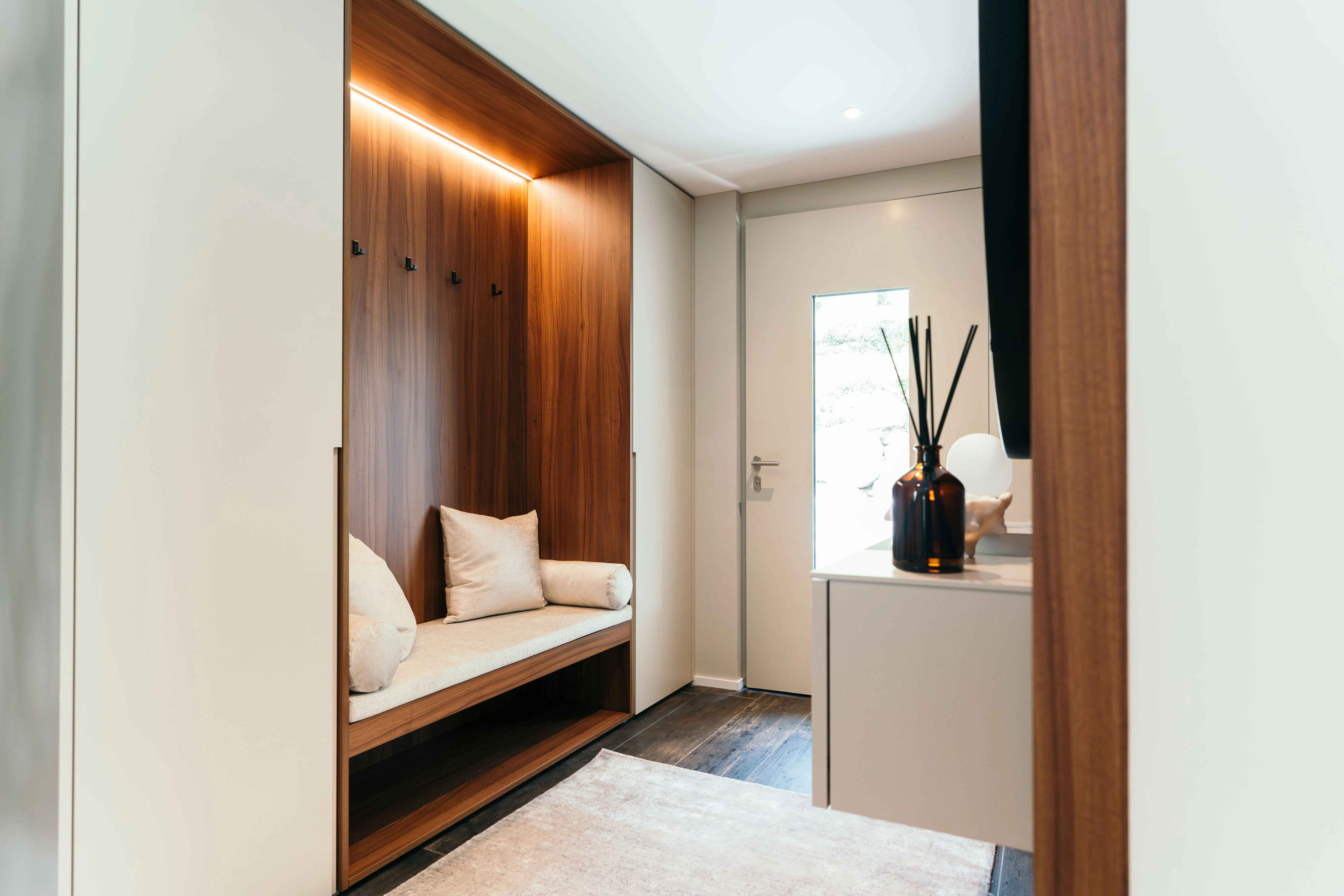
Integrated Walnut Entry Niche
In this Swiss residence, we built handleless white cabinets that blend right into the walls. In the center, we carved out a deep bench lined with rich walnut wood. This gives the family a comfortable, beautifully lit place to remove shoes and drop bags while keeping the main passageway completely clear and clutter-free.
The warm timber finish also adds depth and character to the entry, creating an inviting first impression without overwhelming the clean, minimalist design.
The Clever Slatted Corner
If your entryway is on the smaller side, you don't need massive walls to create that same welcoming feeling. You can achieve the look of a cozy niche using carefully chosen materials and textures.

Compact Entry Niche
For this compact urban entry, we optimized a tight corner by incorporating a crisp white storage bench. To visually anchor the seating area and make it feel like a protected nook, we installed a dramatic floor-to-ceiling walnut slat panel. The custom wooden coat hooks are built directly into the slats, creating a highly functional, tactile station that greets you without crowding the entrance.
2. The Lounge: Carving Out Pockets of Intimacy
Moving deeper into the heart of the home, we reach the living spaces. Large, open-plan living rooms are fantastic for entertaining, but they can sometimes feel a little cold on quiet family evenings. A lounge niche solves this by carving a dedicated pocket of comfort into the perimeter of the room. Depending on the architecture and the lifestyle of the homeowner, we approach this in three distinct ways.
Approach A: The Cozy Wooden Cave
Rich wood tones and deep architectural forms naturally create a sense of shelter, making even the largest living room feel warm and inviting.
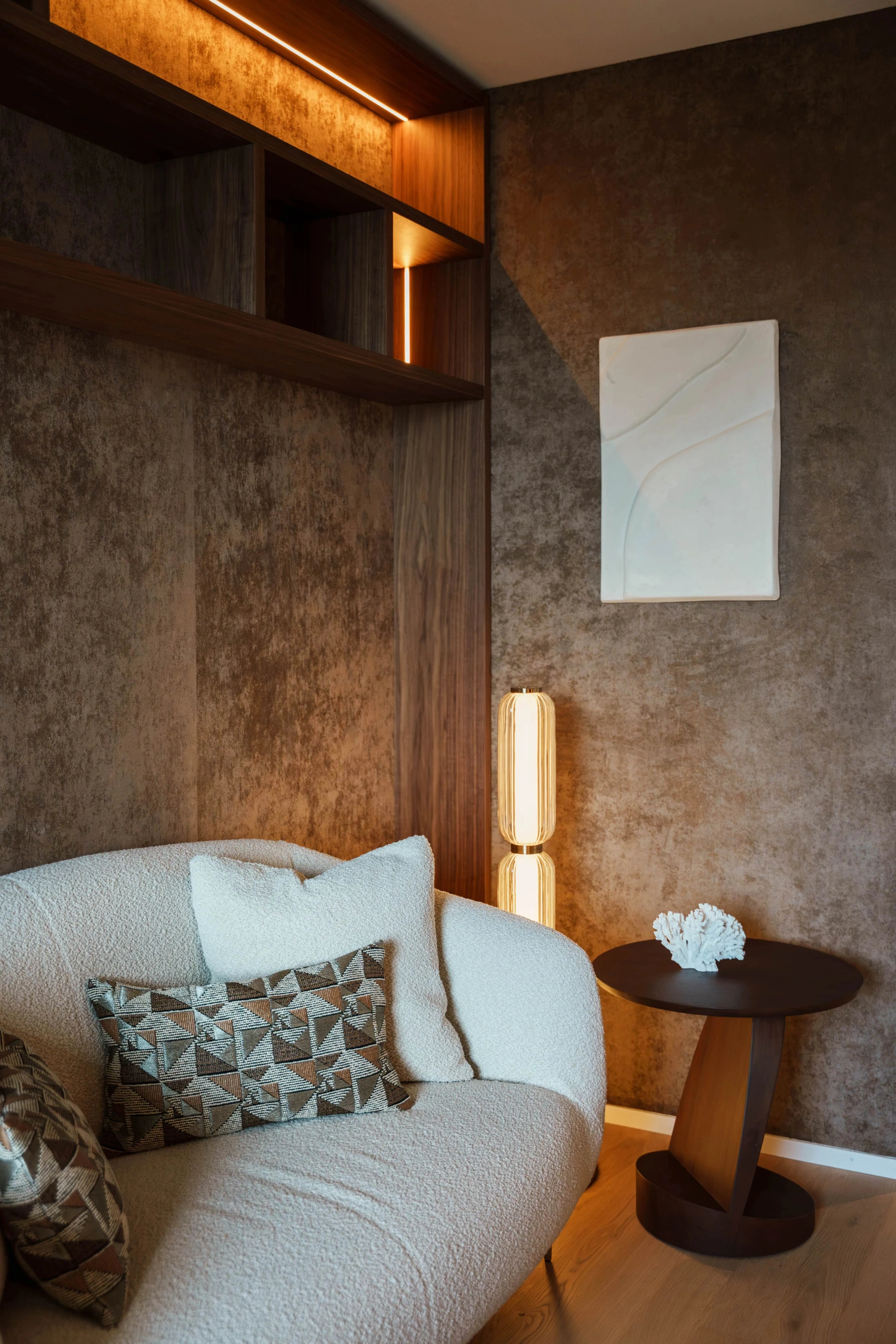
Bespoke Timber Sofa Alcove
In this cozy lounge corner, we framed a plush curved bouclé sofa with rich walnut built-ins and textured wallpaper. Tucking the sofa directly into this timber envelope creates a lovely, protective "cave" effect. Overhead shelving provides additional storage without taking up an inch of floor space, while hidden lighting casts a soft, relaxing glow down the wall.
The result is a comfortable retreat that feels connected to the rest of the room while offering its own sense of privacy.
Approach B: The Soft, Theatrical Wrap
You don't always need timber walls or custom cabinetry to create a niche. Soft fabrics and deep colors can produce an equally dramatic, cocooning experience.
Immersive Drapery Lounge Niche
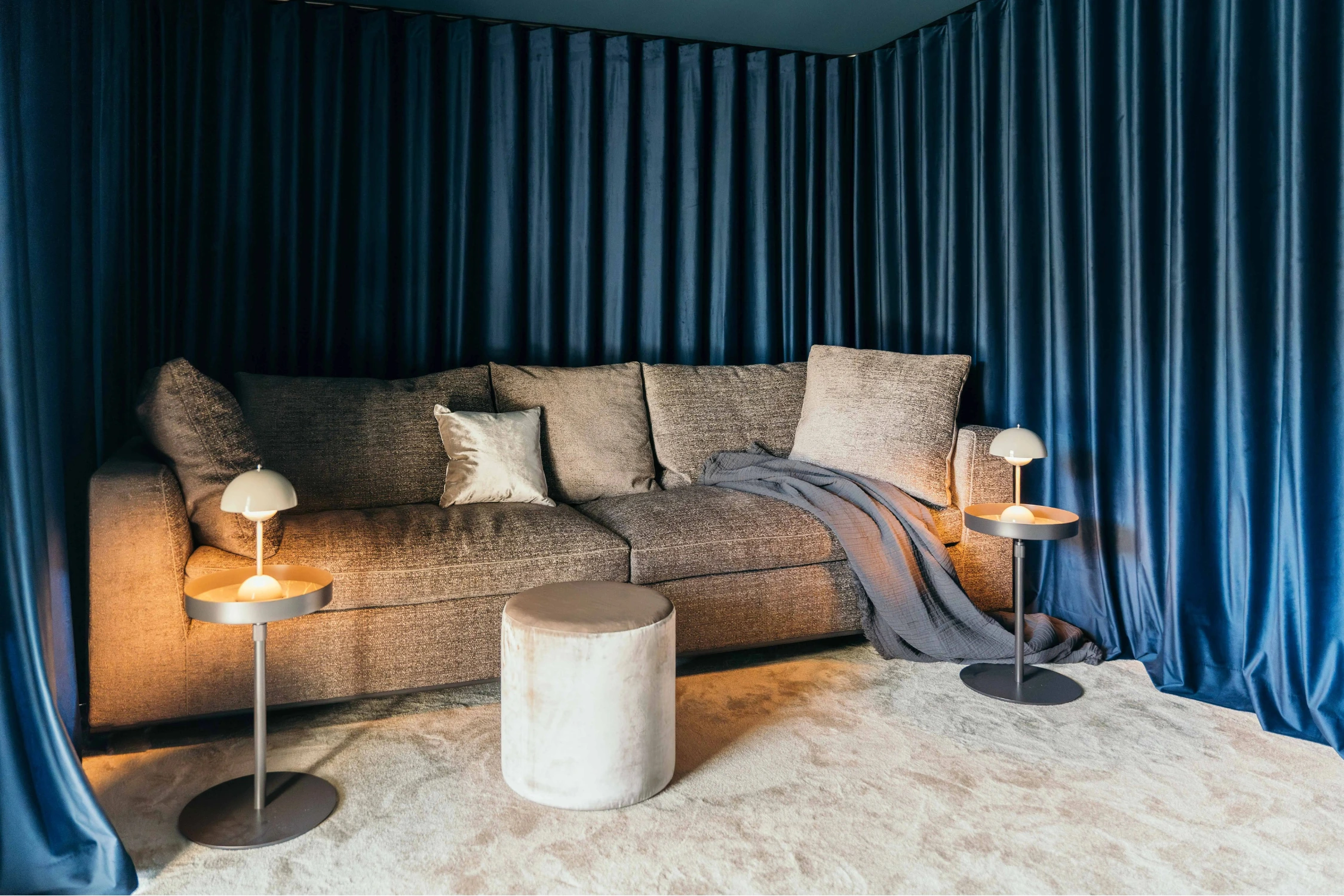
In this media and relaxation room, we skipped the wood paneling and wrapped the entire corner in deep blue, floor-to-ceiling pleated curtains. By hiding the sharp corners of the room behind heavy drapes, we created an ultra-cozy, quiet sanctuary. The low-profile sofa, velvet ottoman, and warm accent lamps make this textile nook feel like a private luxury cinema.
Sometimes the simplest materials can have the biggest impact, proving that comfort is just as important as architectural structure when designing inviting living spaces.
Approach C: A Dynamic Feature Wall
When you want to define a specific social zone, such as a reading corner or a gaming station, without building physical side walls, a graphic feature backdrop works beautifully to anchor the furniture and create the feeling of a dedicated niche.
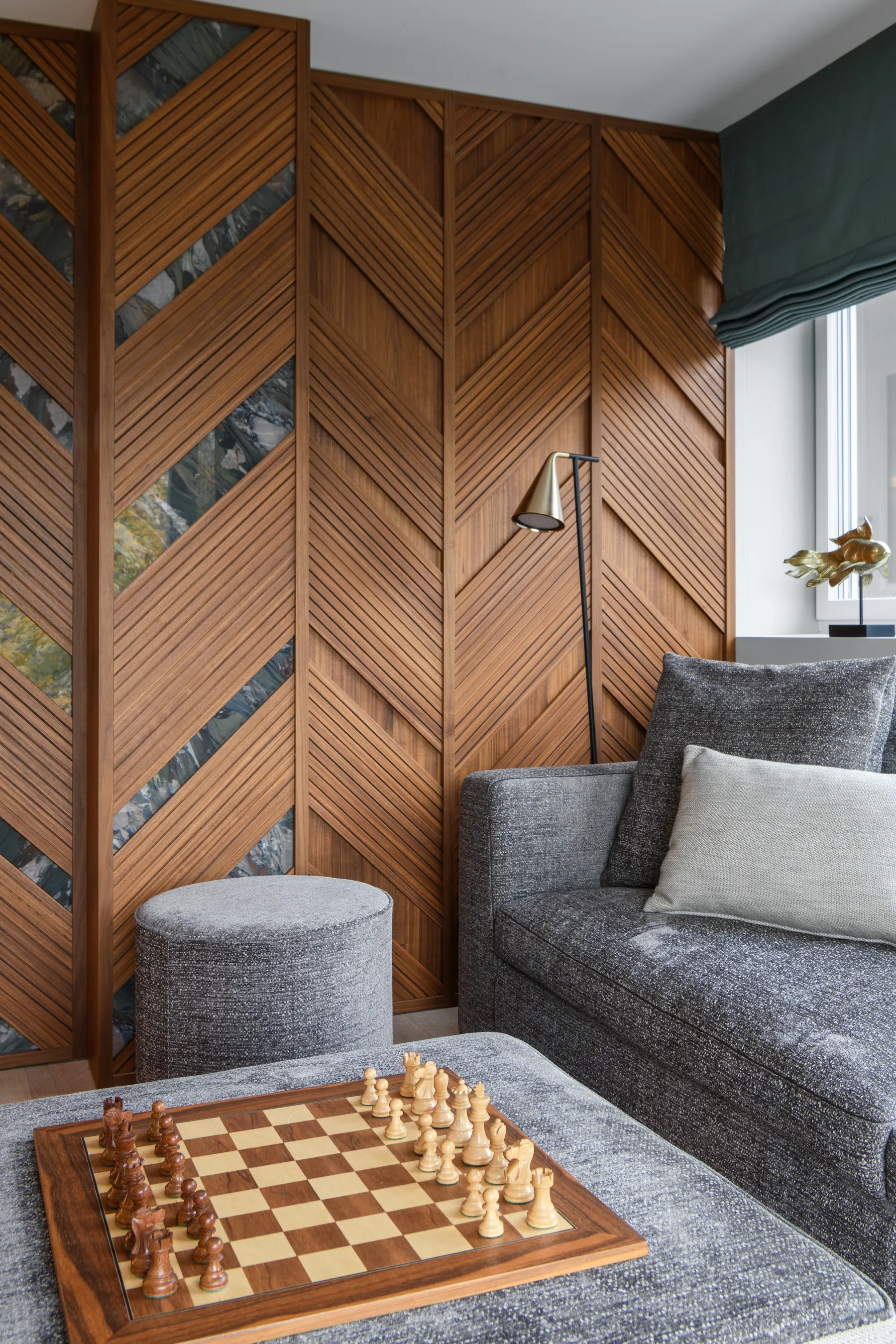
Textured Chevron Lounge Niche
Here, we anchored a relaxed lounge corner using a stunning floor-to-ceiling chevron timber wall treatment. The dynamic wood slats are accented with thin strips of veined marble, making the wall feel like a beautiful piece of custom craftsmanship. Paired with a textured grey sofa and matching ottoman, this striking backdrop naturally frames the lounge area and sets it apart from the rest of the open-plan living space.
By giving the seating area a strong visual backdrop, the room feels more intimate without sacrificing its openness.
3. The Work-From-Home Niche: Focus Meets Serenity
As we move toward the quieter, more private areas of the home, we often encounter the need for a functional workspace. Setting up a home office inside a peaceful room, such as a bedroom, can be tricky. You don't want a desk covered in papers to disrupt the relaxing atmosphere. A recessed workspace offers the perfect architectural compromise.
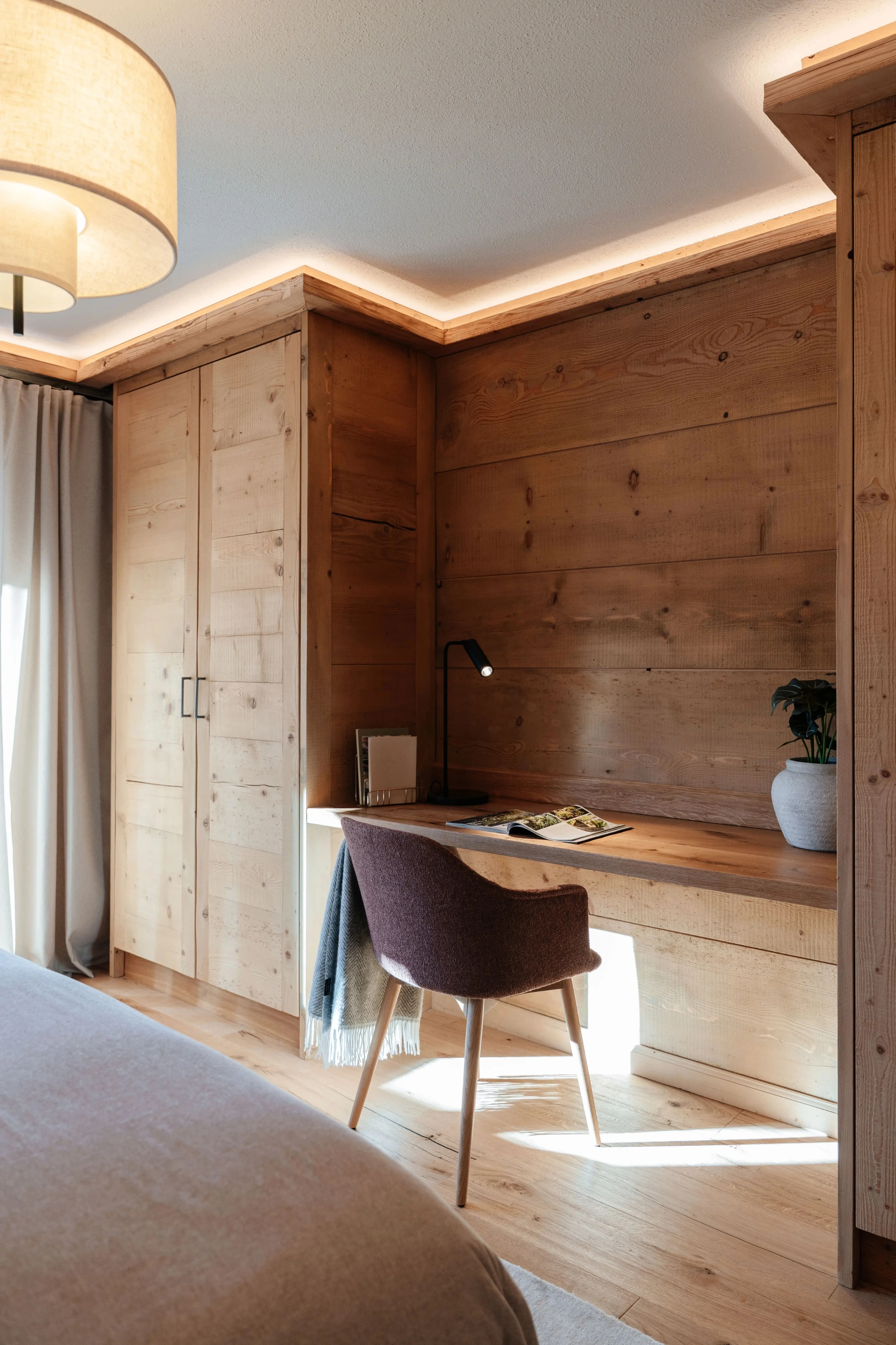
Custom Study Desk Alcove
In this bedroom layout, we built a workspace completely encased in warm horizontal oak paneling. Because it is tucked neatly between floor-to-ceiling wardrobes, the desk doesn't spill out into the room. A slim LED light strip hidden along the ceiling keeps the desktop bright and shadow-free, creating a peaceful, dedicated space where you can easily switch into work mode.
By integrating the desk into the surrounding millwork, the workspace feels like a natural extension of the room rather than an afterthought.
4. The Art Niche: Bringing the Tokonoma into Modern Living
Further along our architectural journey, we explore spaces designed purely for mindfulness and beauty. In traditional Japanese architecture, there is a special feature called a tokonoma (床の間). It is a simple recessed wall alcove reserved for displaying treasured possessions such as a seasonal flower arrangement, a sculpture, or a piece of art.
The philosophy behind a tokonoma is deeply inspiring. It is a dedicated, quiet space created for reflection, appreciation, and slowing down. We frequently borrow this timeless concept to show our clients that a modern home shouldn't just be functional. It should also feed your soul.
Here are three ways we incorporate this artistic sanctuary into custom cabinetry.
The Deep, Moody Showcase
When you want high-contrast drama and an intimate atmosphere, pairing a dark timber frame with a textured backdrop creates a stunning focal point.

The Modern Tokonoma Art Recess
In this floor-to-ceiling dark walnut shelving unit, we carved out a distinct art niche right in the center. By breaking up the standard square shelves with asymmetrical open boxes, we created an intentional home for beautiful objects. The back wall of the niche features an earthy concrete finish that contrasts with the rich timber, while hidden LED light strips gently wash the colorful artwork and sculptures in a soft, dramatic glow.
The result is a display that feels curated without feeling crowded, allowing each object to command attention.
The Bright Architectural Canvas
If your home features a wide open-plan layout with plenty of natural light, the tokonoma can help ground a large room while visually connecting different living spaces.
Integrated Open Layout Art Niche
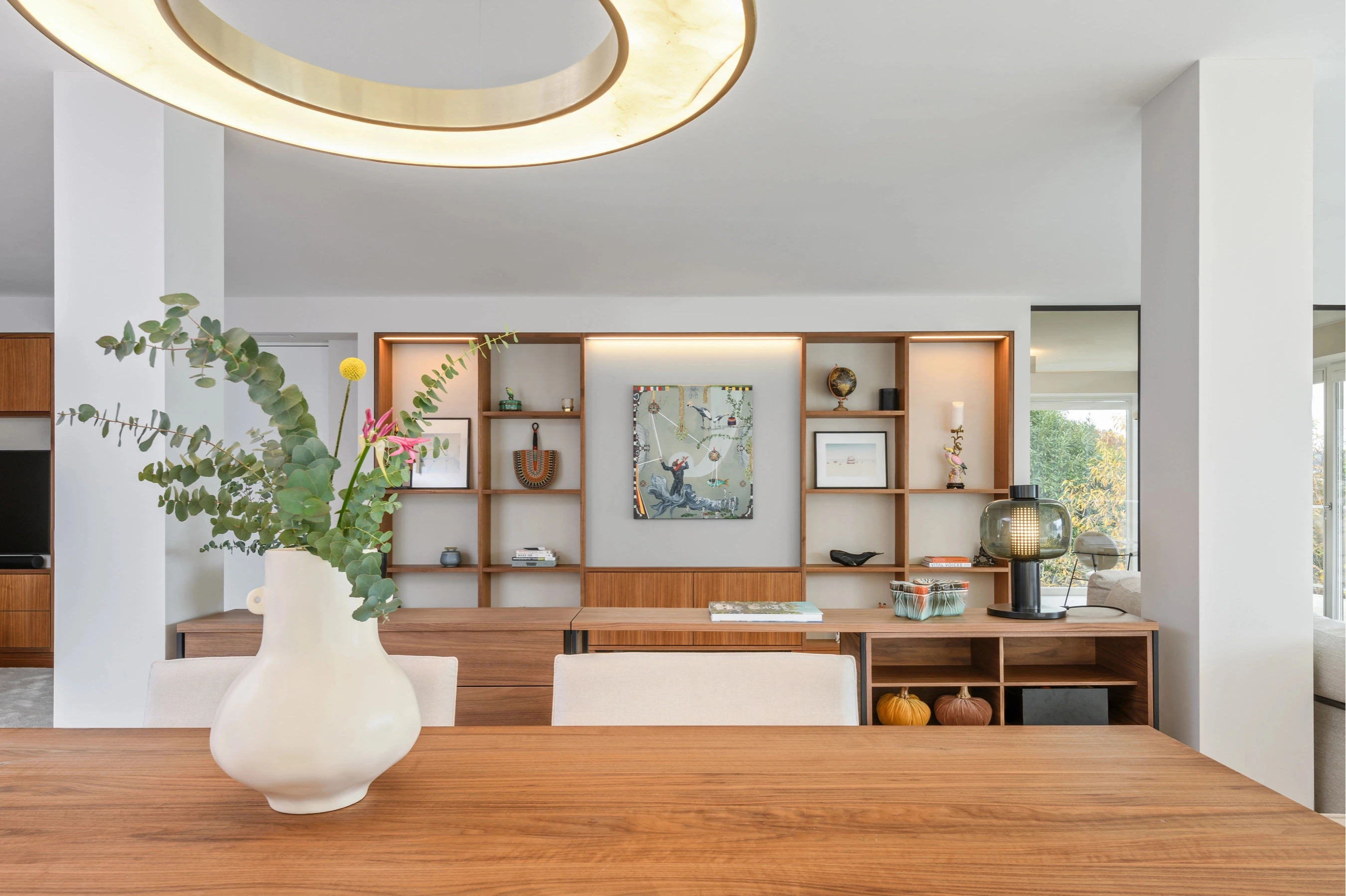
In this bright residence, we designed an expansive walnut credenza and shelving composition that stretches across the main wall. Instead of filling the entire wall with shelving, we left a generous white recess in the middle to serve as our modern tokonoma. By hanging a whimsical painting against the crisp white wall and highlighting it with a concealed LED downlight, the artwork immediately becomes the focal point of the room.
The clean architectural lines allow the art to breathe while bringing balance to the surrounding cabinetry.
The Organic Stone Sanctuary
For a look that feels deeply grounded and rich with history, you can frame raw natural materials with sleek contemporary millwork.
Rustic Stone Display Niche

In this striking residence, we framed a monumental rustic stone wall with custom-built wardrobes finished in a rich deep teal. Right in the center, we left an open niche above a beautifully crafted chest of drawers. This layout allows the rugged texture of the stone to become a natural work of art. Styled with a classic gold table lamp that casts a warm ambient glow across the masonry, this niche beautifully captures the spirit of the tokonoma, bringing a quiet, grounding presence into the home.
Natural materials like stone add another layer of warmth and authenticity, making the display feel timeless rather than decorative.
5. The Kids' Bed Niche: A Soft, Protected Sanctuary
Continuing into the private family spaces, we find that children's bedrooms require a unique approach. They need to feel incredibly safe and comforting at night while remaining open and spacious for playtime during the day. A soft bed niche balances both needs effortlessly.
Upholstered Kids' Bed Alcove
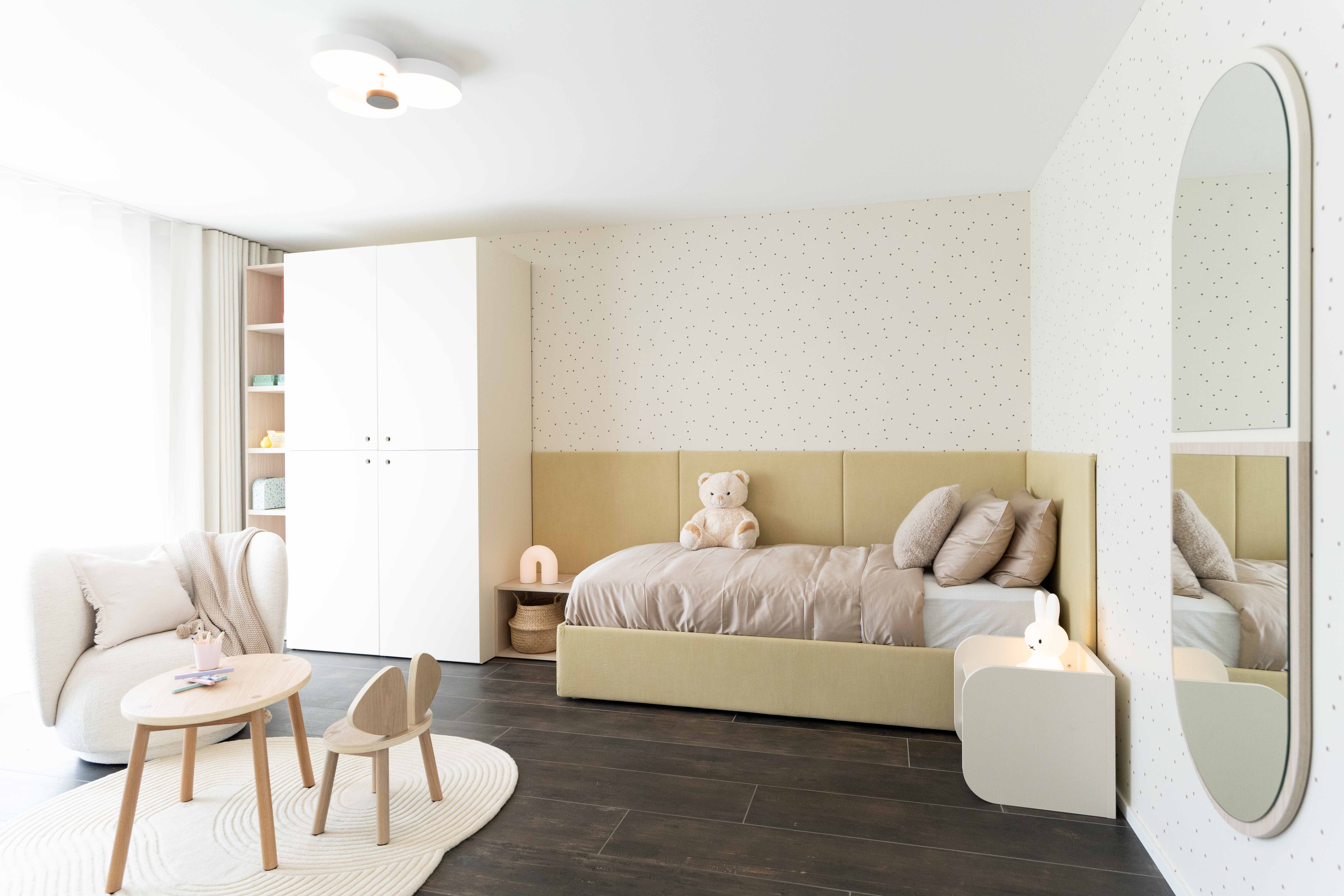
In this bright, playful children's bedroom, we created a cozy sleeping corner using custom wrap-around headboard panels. By lining the walls with soft, muted yellow upholstered cushions, the bed feels tucked away and protected. Flanked by a sleek white wardrobe that acts as a structural boundary, this design leaves plenty of open floor space for toys, while the delicate star-patterned wallpaper and flower-shaped ceiling light complete a dreamy, comforting retreat.
It's a wonderful example of how thoughtful interior design can make a child's bedroom feel both practical and reassuring without making the space feel enclosed.
6. The Furniture Niche: Floating Islands of Calm
Our design journey concludes with a look at how you can create these comforting architectural pockets without changing a single wall. If you love the idea of a cozy niche but aren't planning a renovation, you can achieve a similar feeling with carefully chosen furniture. Certain iconic chairs are designed with sweeping, organic shapes that naturally wrap around you, creating an instant, private island of calm wherever you place them.
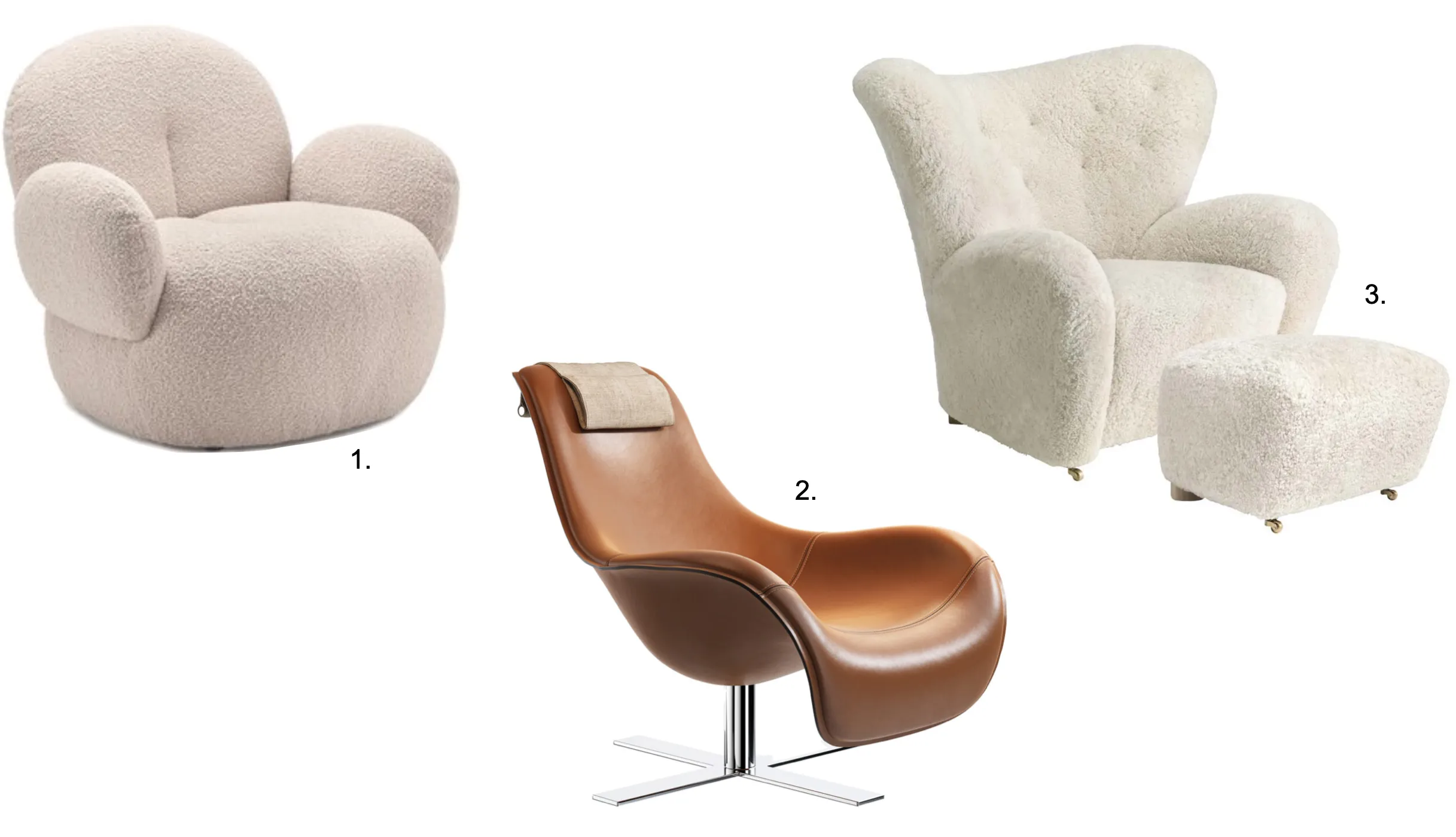
1. Nana Loveseat, Freifrau
2. Mart Armchair, B&B Italia
3. The Tired Man, Audo Copenhagen
Each of these pieces demonstrates how furniture can shape a space just as effectively as architecture, creating inviting corners that encourage you to slow down and relax.
The Cloud-Like Haven

The Cocoon Reading Corner
In this peaceful corner, we used the cocooning Nana Loveseat, designed by Hanne Willmann for Freifrau Manufaktur. Willmann designed this collection as a tribute to absolute softness, creating a sculptural form that feels like a fluffy cloud. Wrapped in ultra-soft cream fabric, the chair's generous curves invite you to sink in and relax.
Set on a ribbed wool rug beside a raw timber side table, this beautiful piece creates a standalone reading nook that feels comfortably separated from the surrounding open-plan living space. It proves that you don't always need built-in architecture to create a genuine sense of retreat.
The Modern Wingback
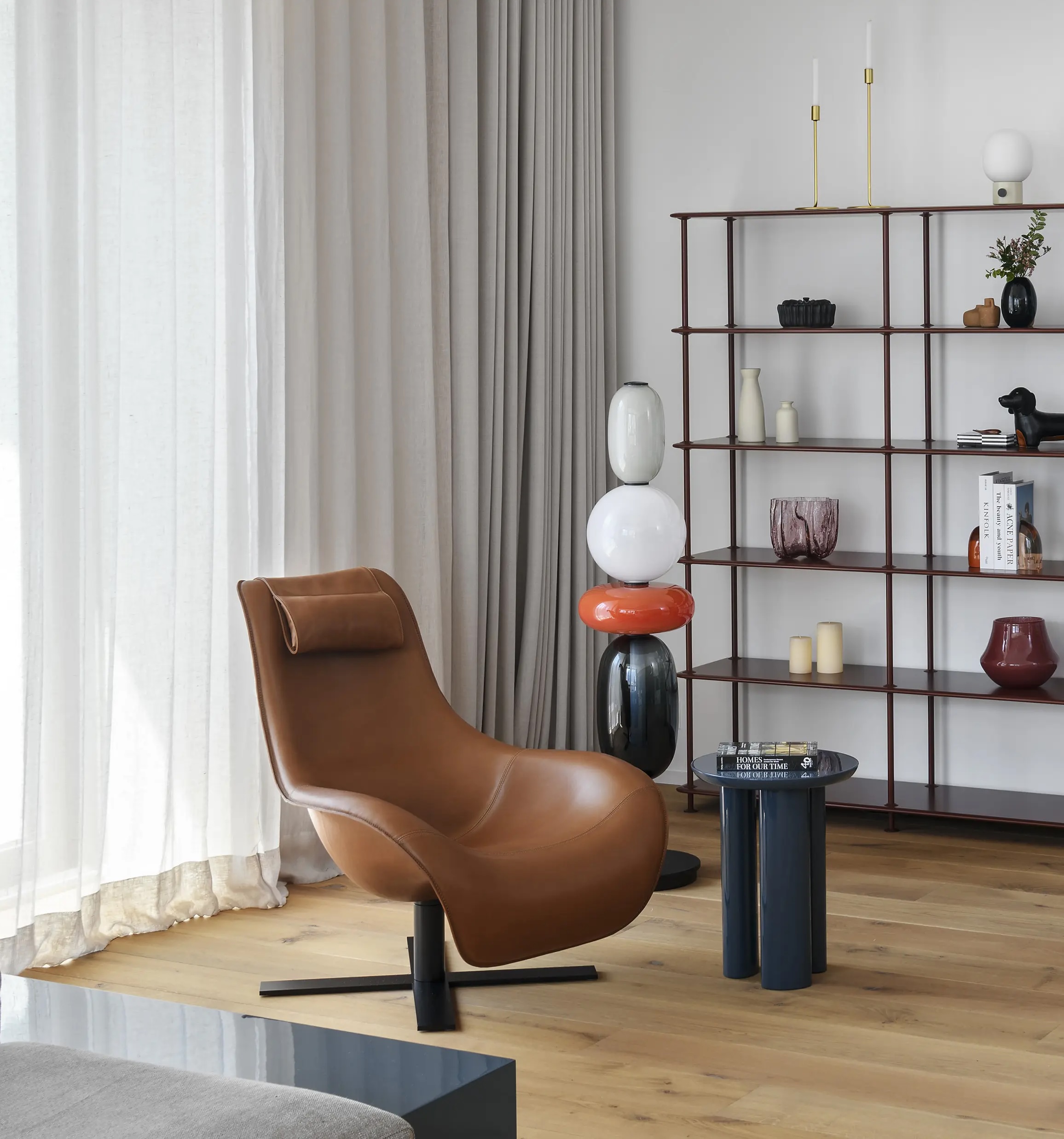
The Sculptural Armchair
If you prefer a sleek, contemporary look, consider seating with high, protective frames that gently shield you from the activity around the room. Here, we paired a minimal open bookshelf with the iconic Mart Armchair, designed by Antonio Citterio for B&B Italia.
Its rich caramel leather shell is shaped to flare gently around your shoulders, creating an immediate sense of comfort without feeling oversized. Paired with a deep navy accent table and a striking glass floor lamp, this corner becomes a sophisticated space for reading, conversation, or quiet reflection.
Sometimes the right chair is all it takes to create your favorite place in the house.
The Soft Polar Bear Hug
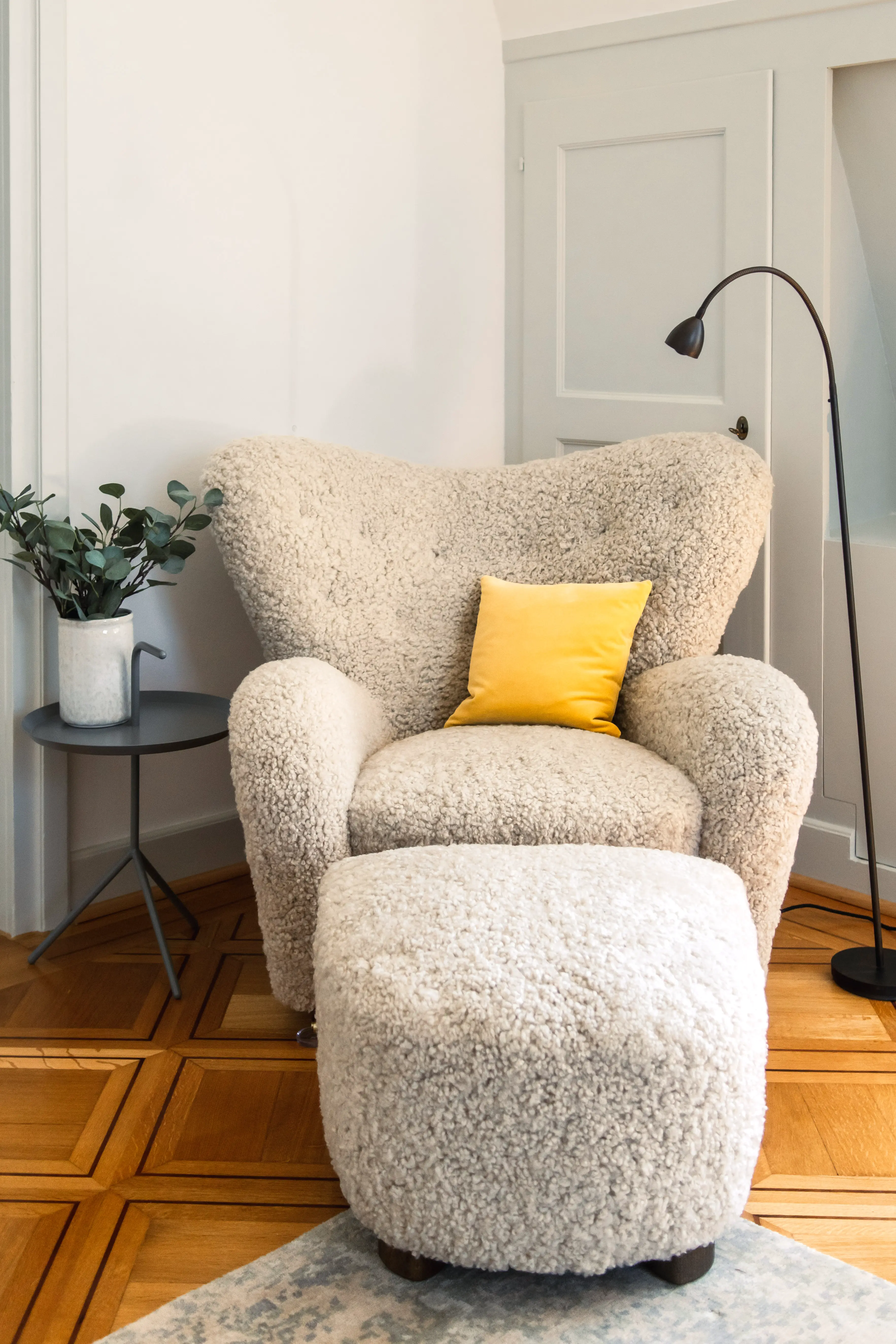
The Ultimate Sheepskin Retreat
For the ultimate cozy retreat, look no further than The Tired Man Lounge Chair, designed by Flemming Lassen in 1935. Lassen shaped this celebrated chair to make sitting feel "as warm and safe as a polar bear cub in the arms of its mother."
Wrapped in thick, luxurious sheepskin and paired with its matching ottoman, this chair naturally commands its own corner. A bright yellow accent pillow adds a cheerful pop of color, completing a sanctuary where you can truly escape the stresses of the day.
Its generous proportions and embracing form remind us that great furniture can create the same feeling as an architectural niche, offering comfort, privacy, and a place to simply unwind.
Bringing the Niche Home
Whether you use permanent timber millwork, soft drapery, a beautifully sculpted armchair, or a dedicated sanctuary for art, an architectural niche is one of the most effective ways to bring warmth, scale, and comfort into your home. By designing your space around your favorite daily routines, you ensure that every corner of your house feels deeply personal, highly functional, and genuinely inviting.
The beauty of an architectural niche isn't found in its size or complexity. It's found in how naturally it supports everyday life.
Sometimes it's a quiet bench where you pause before heading out for the day. Sometimes it's a reading corner that becomes your favorite place to unwind. Sometimes it's simply a beautiful piece of artwork, given the space and attention it deserves.
These moments may seem small, but together they shape how a home feels.
That's why we believe the best luxury interiors aren't defined by how much space they have. They're defined by how thoughtfully that space is used.
Whether you're planning a new home, renovating an existing one, or simply looking for ways to make an open-plan layout feel more welcoming, incorporating architectural niches can help create a home that feels beautifully balanced, comfortable, and uniquely yours.
After all, great interior design isn't just about filling a space. It's about creating places where life naturally happens.